

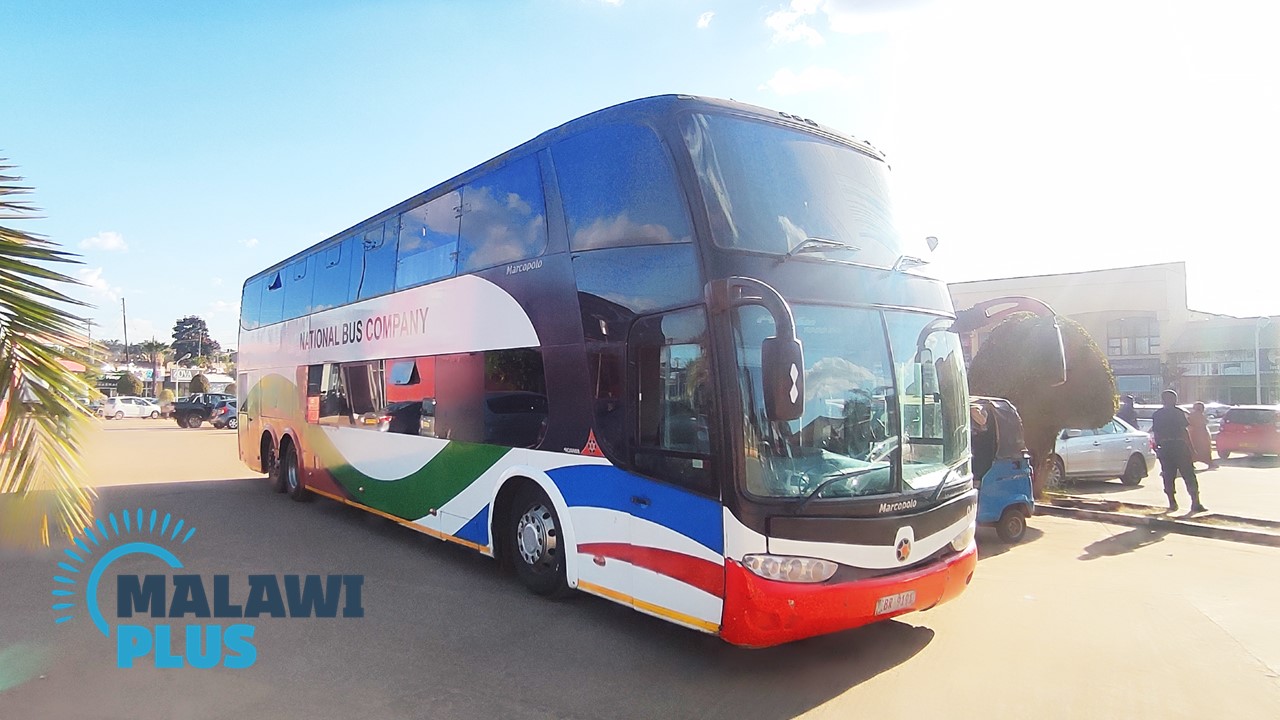
If you’re searching for the best way to cover the Mzuzu to Blantyre bus route, you’ve probably already noticed how confusing it can get. Different operators quote different prices, timetables change without notice, and nobody seems to agree on how long the trip actually takes. This guide clears all of that up, using current operator information so you can book with confidence instead of guessing.

Why People Search for the Mzuzu to Blantyre Bus Route
Mzuzu sits in Malawi’s Northern Region, tucked between the Viphya Mountains and the shores of Lake Malawi. Blantyre, on the other hand, is the country’s commercial engine, down in the south. Between them lies roughly 600 kilometres of road that passes through Mzimba, Kasungu, Lilongwe, and Ntcheu before finally rolling into Blantyre’s busy streets. For students heading home from Mzuzu University, traders moving goods between the two commercial hubs, and travellers connecting to onward routes toward Johannesburg or Lilongwe, this corridor is one of the most travelled in the country.
Flying is faster, obviously, but it also costs several times more and isn’t always practical if you’re carrying market goods, moving house, or simply watching your budget. That’s exactly why the road remains king for this journey.
It also helps that the route is well established. Operators have been running this line for years, drivers know every pothole and speed bump along the M1, and the ticket offices at either end are used to handling passengers who show up with questions. None of that makes the trip short, but it does make it predictable, and predictability is worth a lot when you’re planning a full day of travel.
Quick Snapshot: Mzuzu to Blantyre by Road
Before getting into operators and prices, here’s the shape of the trip in a nutshell.
- Distance: approximately 605 kilometres (376 miles) by road
- Journey time: around 9 to 10 hours, depending on the operator, road conditions, and how many stops are made along the way
- Route: Mzuzu, through Mzimba, Kasungu, Lilongwe, and Ntcheu, then into Blantyre
- Departure frequency: most operators run once daily, usually in the early morning
- Typical fare range: roughly MK18,000 to MK22,000 (about $17 to $27), depending on the operator and bus class
None of these numbers are fixed in stone. Fuel prices, currency shifts, and road maintenance all nudge fares and travel times around, so treat this as a solid working estimate rather than gospel.
Why the Road Passes Through Lilongwe
A common question from first-time travellers is why the route doesn’t take a more direct line. The answer is simple: Malawi’s main trunk road, the M1, runs north to south almost the entire length of the country, linking all three major cities in a single line. There isn’t really a shorter paved alternative, so Lilongwe naturally becomes the midpoint stop, whether or not you actually get off there.
Paying in Malawi Kwacha
Nearly every fare on this corridor is quoted and paid in Malawian Kwacha (MK), not US dollars, even though some international comparison sites list prices in dollars for convenience. If you’re travelling in from outside Malawi, it’s worth changing money in Mzuzu or at a licensed bureau before heading to the bus rank, since conductors rarely have the ability to process foreign currency or card payments. Mobile money transfers are becoming more common at the larger operator offices, but cash still moves the fastest at the rank itself.
Bus Operators Running the Mzuzu to Blantyre Route
Three names dominate this corridor, and each one has a slightly different personality when it comes to comfort, pricing, and reliability.
Kwezy Buses
Kwezy has built a reputation as one of the more comfortable options on Malawian roads, with a fleet that includes air conditioning, reclining seats, onboard entertainment, and reading lights. Their coaches connect Lilongwe to both Mzuzu and Blantyre, with the northern and southern legs typically requiring a change or continuation through the capital. Kwezy also maintains offices in Lilongwe and Blantyre where you can buy tickets in person, which is reassuring if you’d rather not hand over cash to a random agent at a bus rank.
Sososo Coaches
Sososo runs a more traditional daily service straight through, departing Mzuzu at 7:00am and arriving in Blantyre by around 5:30pm, with the return leg mirroring the same schedule in the opposite direction. Their Mzuzu departure point is near St Andrews CCAP church, while in Blantyre they leave from the Petroda filling station near the clock tower. Sososo’s fares for the Mzuzu-Blantyre leg tend to sit around MK20,000, making them one of the more budget-conscious choices for the full route.
Malawi Posts Corporation (People’s Bus)
Also known as Post Coach or Post Express, this government-linked service is often overlooked by travellers who assume post offices only handle mail. In reality, the People’s Bus network is one of the most extensive in the country, with departures from Mzuzu, Lilongwe, and Blantyre scheduled around 7:30am daily. It’s a reliable, no-frills option, and because it’s semi-public, fares tend to stay competitive even when private operators adjust their pricing.
Mzuzu to Blantyre Bus Fares at a Glance
| Operator | Approx. Fare | Journey Time | Departure |
|---|---|---|---|
| Sososo Coaches | MK20,000 | ~10 hours | 7:00am daily |
| Kwezy Buses (via Lilongwe) | MK18,000–22,000 | ~10–11 hours | Morning, daily |
| People’s Bus (Post Coach) | MK15,000–18,000 | ~10 hours | 7:30am daily |
Prices shift with fuel costs and season, so it’s worth confirming the current fare by phone or at the ticket counter before travel day, especially if you’re booking during a busy period like the December holidays or university term breaks.
It’s also worth asking whether the quoted fare includes luggage. Most operators allow one standard bag or box for free, but anything beyond that, particularly bulky items like sacks of produce or extra boxes, often gets an additional charge worked out at the rank. This isn’t unique to any one company; it’s just how baggage tends to get handled on long-distance routes across the country, so budgeting a little extra for luggage saves you from an awkward negotiation on departure morning.
Bus Schedule and Departure Times
Most services on this corridor leave early, and for good reason: a journey of nine or ten hours eats up most of the daylight, and operators want passengers arriving in Blantyre before dark. Expect departures clustered between 6:30am and 7:30am, with very few afternoon options for the direct route. If you show up at a bus rank at noon hoping to catch a bus south, you’ll likely be told to come back the next morning.
A few practical scheduling notes:
- Buses generally fill up fastest during the first two weeks of December and early January, when students and workers travel home for the holidays.
- Fridays and Mondays tend to be busier than midweek days, since many travellers combine the trip with a weekend visit.
- Roadworks near Kasungu and sections of the M1 south of Lilongwe occasionally add 30 to 60 minutes to the total journey, so build in a buffer if you have a tight connection in Blantyre.
- Rainy season, roughly November through April, can also slow things down, particularly around river crossings south of Lilongwe where drainage isn’t always great after a heavy downpour.
If your plans are flexible, mid-week departures outside school holiday periods tend to be the smoothest experience, with more seat choice and less crowding at the rank itself.
How to Book Your Ticket for This Route
Booking in Malawi still leans heavily on in-person and phone methods rather than fully digital platforms, though that’s slowly changing.
Booking in Person
The simplest and most common method is to walk up to the operator’s office or bus rank the day before travel. This lets you see the actual bus, ask about seat availability, and pay in cash. Kwezy’s Lilongwe office is at Gateway Mall, while their Blantyre office sits on the old Shire Bus Lines premises opposite the Trade Fair grounds. Sososo departs from Petroda filling station in Blantyre and from the dry cleaners near St Andrews CCAP in Mzuzu.
Booking by Phone
Most operators, including the People’s Bus network, accept phone reservations, particularly if you’re travelling during a peak period and want to guarantee a seat. Keep in mind that phone bookings usually still require you to pay when you board or at the office beforehand, since mobile money confirmation isn’t universally used yet.
Arriving Early
Regardless of how you book, arrive at least 30 minutes before departure. Seats aren’t always strictly assigned on every operator, and latecomers sometimes end up standing for the first stretch or getting bumped entirely if the bus is full.
The Route: What You’ll Pass Along the Way
One underrated part of taking the bus rather than flying is actually seeing the country unfold. Leaving Mzuzu, the road climbs briefly through the Viphya Plantation, the largest man-made forest in Africa, before descending toward Mzimba district. From there it’s a long, fairly flat run through Kasungu, known for its tobacco farms and the nearby Kasungu National Park.
By midday, most buses are passing through or stopping briefly in Lilongwe, the political capital, where some passengers disembark while others continue straight through toward Ntcheu and the southern stretch of the M1. The final leg into Blantyre winds through the highlands near Thyolo and Zomba, though the exact path depends slightly on which operator and road conditions are in play that day.
For anyone doing this trip for the first time, packing snacks and water for the full day is a smart move. Roadside stops exist, but they’re brief, and you don’t want to be the person holding up the whole bus at a rest stop because you wandered too far looking for food.
Best Time of Year to Travel This Route
Malawi has two broad seasons that matter for road travel: the dry season from May to October, and the wet season from November to April. The dry months are generally the more comfortable time to take a long-distance bus, with firmer road surfaces, clearer visibility, and fewer weather-related delays. Dust can be an issue on unpaved stretches near smaller towns, but that’s a minor trade-off compared to navigating flooded sections during peak rains.
If you do end up travelling in the wet season, mornings tend to be drier than afternoons, which is another reason most operators schedule their departures early. Booking a seat toward the front of the bus also helps if a driver needs to slow down for standing water on the road, since visibility and control matter more than usual during heavy downpours.
Bus vs Flying vs Driving: Which Is Best?
Flying is the fastest option by far, cutting the journey down to roughly an hour in the air, though total door-to-door time (including airport transfers) often stretches closer to seven hours once you factor in check-in and getting to and from both airports. It’s also considerably more expensive, which puts it out of reach for a lot of everyday travellers.
Driving yourself takes about 8 hours 45 minutes non-stop, assuming good road conditions and no lengthy breaks. It gives you the most flexibility but requires a reliable vehicle, fuel budgeting for roughly 600 kilometres, and comfort with Malawian road conditions after dark, which most drivers try to avoid.
Taking the bus remains the most economical choice for most travellers, and honestly the most social one too. You’ll spend around 9 to 10 hours on the road, but you also skip the stress of navigation, fuel stops, and vehicle wear, all for a fraction of what flying costs.
If your priority is cost and you’re not in a desperate hurry, the bus wins comfortably. If time matters more than money, flying is worth the premium. Driving sits in the middle, best suited to those who already have a vehicle and want full control over their schedule.
Tips for a Comfortable Mzuzu to Blantyre Bus Journey
A ten-hour bus ride is manageable, but a little preparation goes a long way.
- Choose a seat near the front if you’re prone to motion sickness. The middle and rear of the bus tend to feel bumpier on Malawi’s less-maintained stretches of road.
- Carry small denomination cash. Fares are typically paid in Malawian Kwacha, and vendors along the route rarely have change for large notes.
- Dress in layers. Buses with air conditioning can get surprisingly cold, especially early morning and after dark, while non-AC buses can get warm by midday.
- Charge your devices fully before departure. Not every bus has working power outlets, and a ten-hour trip drains a phone fast if you’re using it for music or navigation.
- Keep your ticket and ID accessible. Occasional checkpoints along the M1 may ask to see travel documents, and having them ready keeps things moving.
- Pack light snacks rather than relying entirely on roadside stalls, since stop times can be unpredictable.
Safety and Practical Advice
Malawi’s long-distance buses are generally safe, and this particular corridor is one of the most established in the country, meaning drivers and staff are used to the route. That said, a few sensible habits help:
- Keep valuables in a bag you can hold on your lap rather than in overhead storage or the luggage hold, where losses are harder to track.
- Avoid boarding buses that appear overloaded beyond seating capacity, particularly around the holiday rush when operators sometimes squeeze in extra passengers.
- If you’re travelling at night on a connecting leg, stick to well-known operators with dedicated terminals rather than informal minibus stands.
- Confirm the total fare, including any luggage charges, before the bus departs, so there are no surprises at the other end.
- If you’re travelling with children or elderly relatives, ask about seating near the front, where the ride is generally smoother and access to the door is quicker in case of a rest stop or an early exit.
- Keep a printed or photographed copy of your ticket and receipt until the trip is fully complete, in case there’s any dispute over payment or seat allocation along the way.
None of this is meant to alarm you. Malawian long-distance buses handle this specific corridor every single day, and the vast majority of trips go by without any drama at all. These are just the same sensible habits any seasoned traveller applies on a long overland journey, anywhere in the world.
Frequently Asked Questions
How long does the Mzuzu to Blantyre bus take? Most direct services take between 9 and 10 hours, though this can stretch slightly during rainy season or when roadworks slow traffic near Kasungu or south of Lilongwe.
How much does a Mzuzu to Blantyre bus ticket cost? Expect to pay somewhere between MK15,000 and MK22,000 depending on the operator and bus class, with Sososo and Kwezy sitting at the higher end for their added comfort, and the People’s Bus offering a more budget-friendly alternative.
Is there a direct bus from Mzuzu to Blantyre? Yes. Sososo Coaches and the People’s Bus network both run daily direct services, while Kwezy typically routes passengers through their Lilongwe hub, which may involve a brief stop or change depending on seat availability.
What time do buses leave Mzuzu for Blantyre? Nearly all operators depart between 6:30am and 7:30am, arriving in Blantyre by late afternoon or early evening the same day.
Can I book a Mzuzu to Blantyre bus ticket in advance? Yes, most operators accept phone bookings or in-person purchases a day or more ahead, which is strongly recommended during December, January, and university term-break periods when demand spikes.
Is it better to fly or take the bus from Mzuzu to Blantyre? Flying saves time but costs significantly more. The bus remains the more practical choice for travellers prioritising budget over speed, and it offers the added benefit of seeing the country along the way.
Final Thoughts
Whichever operator you choose, the Mzuzu to Blantyre bus route is a long but well-worn path that thousands of Malawians travel every month without incident. Book a day ahead where possible, pack for a full day on the road, and double check fares closer to your travel date since prices do shift with fuel costs. If you’re also planning onward travel, it’s worth checking guides on cross-border routes like the Blantyre to Johannesburg bus or the Lilongwe to Lusaka bus, both of which connect neatly with the Mzuzu-Blantyre corridor for travellers continuing further south.
Safe travels, and enjoy the ride through some of Malawi’s most scenic highland stretches.


