

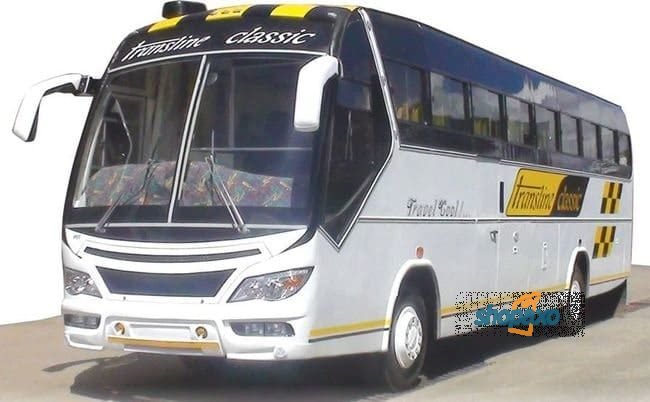
If you’ve typed “Transline bus online booking” into Google, chances are you’re planning a trip to Western Kenya or Nyanza and you want to know exactly how to secure your seat without standing in a queue at Afya Centre. I’ve used Transline more times than I can count, and in this guide I’ll walk you through booking your ticket, the routes on offer, current fares, office contacts, and a few things nobody tells you until you’ve already missed your bus.
A Quick Word on Transline Bus
Transline Coaches (often called Transline Classic) is one of the older, more established coach companies plying the Nairobi–Western Kenya corridor. It’s built its name on the Nairobi–Kisii route in particular, though it also serves Kisumu, Busia, Kitale, Eldoret, Bungoma, Migori, and Homa Bay. The company runs a mixed fleet, and while it isn’t the flashiest name on the highway, it has stayed relevant for one simple reason: reliability on routes that other operators sometimes skip during the low season.
If you’re weighing your travel options more broadly, our Kenya travel section has a running list of the operators and routes worth knowing before you commit to a ticket.
A Bit of History
Transline Classic didn’t start out as a household name. Like several of Kenya’s long-distance coach brands, it grew out of a smaller PSV (public service vehicle) operation before expanding its fleet and route network to cover the Western Kenya and Nyanza corridor properly. Over the years it added courier and parcel delivery services alongside passenger transport, which is a common move for Kenyan coach companies looking to make better use of the same buses running back and forth every day. That dual role — passengers and parcels — is part of why you’ll sometimes see Transline offices doubling as small courier counters.
Why People Still Choose Transline
With so many coach operators competing for the same routes, it’s fair to ask why Transline still has a loyal following. From what I’ve seen and heard from regular travellers, it comes down to three things: consistency on routes that some bigger operators treat as secondary, fairly competitive pricing compared to premium coach brands, and offices that are easy enough to find in each major town along the route. None of that means it’s flawless — delays happen, and the online booking system has had its share of hiccups, which is exactly why this guide exists.
How Transline Bus Online Booking Works
Here’s the part everyone actually wants: how do you get your ticket sorted from your phone, without going anywhere near a booking office?
Transline’s own online ticketing portal has had a rocky history — it goes down, it comes back, and depending on the week you might find you can’t create an account or log in directly on their site. That inconsistency has frustrated a lot of travellers, so it’s worth knowing your options rather than relying on a single channel.
Booking Directly on the Transline Website
When the portal is live, the process is straightforward:
- Head to Transline’s official booking page.
- Select your route (for example, Nairobi to Kisii or Nairobi to Homa Bay).
- Choose your travel date and preferred departure time.
- Pick your seat from the available seating chart.
- Enter your details and confirm the booking.
- Pay via the prompted method and save your e-ticket or booking code.
Transline Bus Online Booking Through Third-Party Platforms
Because the official site isn’t always cooperative, a good chunk of Transline bus online booking traffic actually happens through aggregator platforms that list Transline alongside other coach companies. These sites pull in Transline’s schedules, let you compare fares against competitors on the same route, and process payment on your behalf. It’s a handy workaround when the primary portal is misbehaving, though you should always double-check the departure point and confirm your booking with the office by phone before travel day.
Paying With M-Pesa
Whichever channel you use, M-Pesa remains the payment method of choice for most Kenyan travellers, Transline included. If you’re new to using M-Pesa for bus tickets, the general flow is: select M-Pesa at checkout, receive a prompt (or use Lipa na M-Pesa Paybill if there’s no automatic push), enter your PIN, and hold onto the M-Pesa confirmation message as backup proof of payment alongside your booking reference.
Booking by Phone or in Person
If you’d rather skip the app altogether, calling the nearest Transline office and booking over the phone still works, and it’s often faster than fighting with a slow-loading page on patchy data. I’ll list the office contacts a little further down so you don’t have to go hunting.
Transline Bus Routes and Destinations
Transline’s route network is built around Western Kenya and Nyanza, with Nairobi as the main hub. Here’s what’s currently on offer:
- Nairobi to Kisumu
- Nairobi to Kisii
- Nairobi to Busia
- Nairobi to Kitale
- Nairobi to Eldoret
- Nairobi to Migori
- Nairobi to Kakamega
- Nairobi to Bungoma
- Nairobi to Homa Bay
- Kisii to Migori
- Sirare to Nairobi (via the border crossing)
Nairobi to Kisii — The Flagship Route
This is Transline’s bread and butter. The journey covers roughly 327 kilometres and typically takes around 7 to 10 hours depending on traffic and road conditions, with most services departing in the evening. If Kisii is your destination, this is the route where Transline genuinely competes well against the bigger-name coaches.
Nairobi to Homa Bay
A slightly longer haul at around 276 kilometres one way, this route mostly runs overnight, arriving early enough that you can start your day in Homa Bay without losing a full day to travel.
Nairobi to Bungoma and Kitale
These northern Western Kenya routes are also popular, particularly with travellers connecting onward toward Malaba or into Uganda. Departures here tend to cluster in the evening as well, so plan your booking with that in mind.
Nairobi to Kisumu and Kakamega
The Kisumu route is one of the busiest lake-side corridors in the country, and Transline competes here against a long list of operators. Kakamega, being slightly further along, usually sees the same bus continue past Kisumu, so double-check your exact drop-off point when you book.
Nairobi to Busia and the Malaba Connection
Busia sits right on the Uganda border, and this route sees a steady mix of traders, students, and families making the trip. If you’re continuing into Uganda afterward, it’s worth confirming immigration formalities in advance rather than assuming the bus company handles that for you.
Sirare to Nairobi
This route serves travellers coming from the Tanzania border crossing at Sirare, and it’s typically an overnight service given the distance involved — expect a departure time late in the evening and an early morning arrival into Nairobi.
Quick Reference: Approximate Route Details
| Route | Approx. Distance | Typical Duration |
|---|---|---|
| Nairobi – Kisii | ~327 km | 7–10 hours |
| Nairobi – Homa Bay | ~276 km | 7–9 hours |
| Nairobi – Bungoma | ~326 km | 7–10 hours |
| Nairobi – Kisumu | ~340 km | 6–8 hours |
| Nairobi – Busia | ~420 km | 8–10 hours |
| Sirare – Nairobi | ~327 km | 9–10 hours |
These figures are approximate and will shift depending on traffic, road works, and how many stops the driver makes along the way, so use them as planning guides rather than fixed schedules.
If cross-border or regional connections interest you, it’s worth also browsing our East Africa travel guides for what happens once you’re past the Kenyan border.
Transline Bus Fares
Fares on any Kenyan coach route move with fuel prices, the season (think December holidays and Easter), and how many people are travelling at once, so treat any number here as a starting point rather than gospel. As a rough guide, a one-way Nairobi–Bungoma or Nairobi–Homa Bay ticket has hovered in the range of a few thousand shillings, with round-trip fares to routes like Nairobi–Bungoma sometimes coming in around US$26 equivalent on some booking aggregators. Always confirm the exact fare at the point of booking, since promotional pricing and seasonal surcharges shift these numbers regularly.
A few factors that tend to push fares up: booking during the last week of December, booking on the day of travel rather than in advance, and booking during Easter week when demand on the Western Kenya routes spikes sharply. On the flip side, midweek travel outside school holidays is usually your cheapest window, and some booking platforms run occasional discounts worth watching for if your travel dates are flexible.
Transline Bus Office Contacts and Locations
Even with a functioning app, it helps enormously to know where the physical offices are — for confirming a ticket, sorting out a refund, or simply asking a human being what’s actually happening with your bus.
Nairobi Office
Transline’s main Nairobi booking office sits at Afya Centre on Tom Mboya Street, in the heart of the CBD. This is your best bet for walk-in bookings, general enquiries, and confirming departure times before you travel.
Kisii Office
The Kisii booking office serves as the anchor for the Nairobi–Kisii corridor and is easy to find near the Kisii bus station area.
Homa Bay Office
Homa Bay travellers can book and collect information at the local Transline office, situated close to the main stage in town.
Bungoma and Sirare
Additional touchpoints exist around Bungoma and at the Sirare border crossing for travellers connecting toward or from Tanzania.
I’d recommend calling ahead regardless of which office you’re dealing with — bus companies in Kenya reschedule departure times more often than most travellers expect, and a two-minute phone call can save you a wasted trip to the stage.
What to Expect Onboard
Transline’s newer coaches come with reclining seats, reasonable legroom, and in some cases Wi-Fi and onboard entertainment. It’s not a luxury experience in the way some premium coach brands market themselves, but for the price point, it holds up reasonably well on the routes it’s known for. Don’t expect miracles on older units in the fleet, though — as with most Kenyan coach operators, the comfort level varies by which specific bus you’re assigned.
Luggage Allowance and Parcel Service
Most Kenyan coach companies, Transline included, allow a reasonable amount of personal luggage per passenger without an extra charge, with anything beyond that typically attracting a small fee. If you’re travelling with unusually bulky items — a bag of farm produce, a mattress, or building materials, which isn’t unusual on these routes — it’s worth calling the office ahead of time to confirm whether it’ll fit and what it’ll cost. Since Transline also runs a parcel and courier arm, sending a package ahead of you on the same route is often simpler than trying to carry it yourself, and it uses the same office network you’d use for Transline bus online booking in the first place.
Cancellations, Refunds, and Rescheduling
Ticket flexibility varies by how you booked. Tickets bought directly through the Transline office tend to be easiest to reschedule, since you’re dealing with the same staff who issued it. Tickets bought through third-party booking platforms usually follow that platform’s own cancellation policy rather than Transline’s, so it pays to read the fine print before you pay. As a general rule across the industry, the earlier you flag a change, the more likely you are to get a fee-free reschedule rather than an outright refund — Kenyan coach companies are, understandably, reluctant to refund cash for a seat they can no longer resell on short notice.
Safety Standards on the Route
Long-distance coach travel in Kenya is regulated by the National Transport and Safety Authority (NTSA), which sets requirements around speed governors, seatbelts, and driver conduct for PSVs operating on routes like the ones Transline serves. It’s reasonable to expect any licensed operator, Transline included, to meet these baseline standards, though as a passenger it’s still worth doing the basics: wear your seatbelt if one is fitted, keep valuables on your person rather than in overhead storage, and flag any safety concerns to office staff rather than just the driver.
Tips for a Smoother Transline Bus Online Booking Experience
A few things I’ve picked up from repeated bookings:
- Book a day or two ahead where possible. Evening departures on popular routes like Nairobi–Kisii fill up fast, especially around holidays.
- Screenshot your confirmation. If the online portal is glitchy, a screenshot of your booking code and M-Pesa message is your safety net.
- Call the office to confirm if you booked through a third-party platform, particularly for early morning or late evening departures.
- Arrive early. Kenyan coach departures are notorious for shifting by 30 minutes to an hour either way; give yourself a buffer.
- Keep your ID handy. Some offices ask for identification matching the name on the booking, especially for tickets bought by someone else on your behalf.
If you’re booking during a particularly busy season, it’s also worth reading through our broader bus bookings category for comparisons against other Kenyan coach operators, in case Transline’s schedule doesn’t line up with yours.
Transline vs Other Operators on the Same Routes
If you’re comparing Transline against other Western Kenya coach operators before settling on your Transline bus online booking, it’s worth weighing a few practical points rather than just the fare on offer. Some competitors run newer fleets with more consistent Wi-Fi and charging ports, which can matter a lot on an overnight trip. Others may have a smoother, more reliable online booking portal, since Transline’s has had documented downtime in the past. Where Transline tends to hold its own is frequency on routes like Nairobi–Kisii and Nairobi–Homa Bay, and the fact that its offices are well established in towns where some newer entrants haven’t yet built a physical presence. My honest advice: if your priority is guaranteed comfort features, compare a couple of operators side by side on an aggregator platform before locking in your Transline bus online booking. If your priority is a dependable, no-fuss option on a route Transline has served for years, it’s a solid default choice.
Frequently Asked Questions About Transline Bus Online Booking
Is Transline Bus Online Booking Available Right Now?
Availability has been inconsistent — the official portal has had periods where account creation and login don’t work properly. When that happens, third-party booking platforms or a direct phone call to the nearest office are the most reliable fallback.
Can I Pay for My Transline Ticket Using M-Pesa?
Yes. M-Pesa is the standard payment method across almost every booking channel Transline uses, whether that’s the official site, a third-party platform, or a walk-in booking at the office.
How Early Should I Book My Seat?
For popular routes like Nairobi–Kisii, booking at least a day in advance is a safe habit, and earlier still around December, Easter, and other high-travel periods.
Does Transline Serve Routes Outside Western Kenya?
Its core strength is the Nairobi–Western Kenya and Nyanza corridor, including Kisumu, Kisii, Homa Bay, Migori, Bungoma, Kitale, Busia, and Eldoret, with a connection toward the Sirare border.
What Happens if the Online Booking System Is Down?
Don’t panic — call the nearest office directly, or use one of the aggregator platforms that list Transline’s schedule. Keep proof of any payment made, and confirm your seat by phone before heading to the stage.
Is There a Transline Bus App for Online Booking?
There have been mobile apps associated with Transline listed on app stores in the past, offering similar functionality to the website. As with the main portal, uptime and reliability can vary, so treat the app as one more channel rather than your only plan for booking.
Can I Send a Parcel Instead of Travelling Myself?
Yes — Transline’s courier service uses the same office network and, often, the same buses as its passenger routes, which makes it a convenient option if you need to send documents or goods to Kisii, Homa Bay, Bungoma, or other towns along the line without travelling yourself.
Final Thoughts
Transline has earned its place on the Nairobi–Western Kenya route by simply showing up, year after year, on a corridor that matters to a lot of travellers heading home or visiting family. The online booking experience isn’t always seamless, but between the official portal, third-party platforms, M-Pesa payments, and a phone call to the Afya Centre office when all else fails, you’ve got more than enough ways to lock in your seat. Safe travels, and if you’re weighing up other coach options before you commit, our travel section has more comparisons to help you decide.


