
Home Blog Page 4

Latest Ankara Styles for Kenyan Women 2025: Timeless, Trendy, and Tailored for You

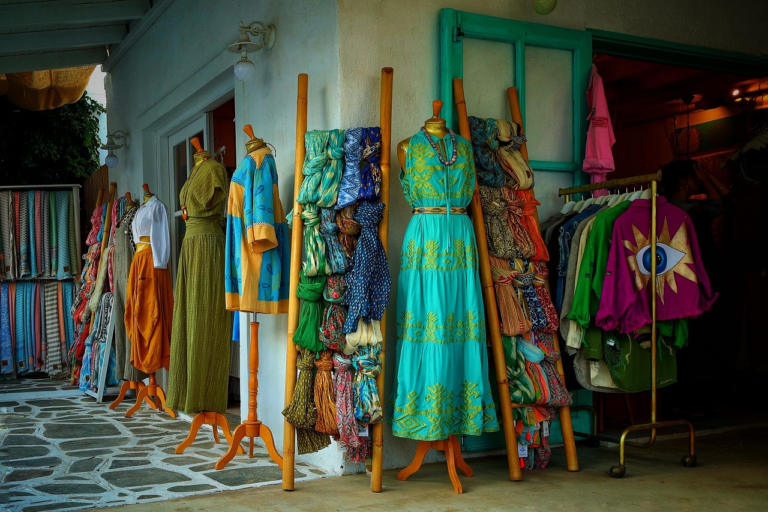
In 2025, Ankara fashion continues to reign supreme for Kenyan women, radiating color, culture, and creativity. From runways in Nairobi to church services, graduation parties, and weekend brunches, Ankara styles are the go-to for bold, original, and personalized looks.

This guide spotlights the latest Ankara styles for Kenyan women in 2025—breakthrough trends, classic favorites, innovative tailoring, and accessible shopping tips for every age and occasion.

Why Ankara?

Originating from West Africa, Ankara fabric is recognizable by its vivid colors, striking patterns, and universal comfort. Kenyan designers and tailors have embraced Ankara, remixing the style for local tastes and versatile wear.

In Nairobi, Mombasa, Kisumu, Eldoret, and beyond, Ankara is for everyone: students, professionals, mothers, and fashion-forward trendsetters.

Top Ankara Styles for Kenyan Women in 2025

1. Ankara Maxi Dresses

  • Flowing, comfortable, and ideal for both formal occasions and casual outings.
  • The latest designs feature puff sleeves, tiered skirts, cut-out waistlines, and dramatic ruffles.
  • Pair with bold jewelry, matching headwraps, and strappy sandals for a full-on glam look.

2. Short Ankara Gowns

  • Perfect for hot Nairobi afternoons, club events, or wedding guest looks.
  • Try flared, off-shoulder, high-low (mullet), or bell sleeve versions in 2025’s trending prints.
  • Dress up with heels or down with white sneakers.

3. Ankara Skirt and Top Sets

  • Crop-tops paired with high-waisted skirts remain a top favorite.
  • Signature pencil skirts, pleated midis, and wrap-around designs are hugely popular this year.
  • Great for mixing and matching patterns, making your wardrobe go further.

4. Peplum Ankara Tops

  • Figure-flattering and versatile—perfect with jeans, pencil skirts, or palazzo pants.
  • Popular cuts include asymmetric necklines, balloon sleeves, and embroidered hems.

5. Ankara Pants and Jumpsuits

  • Wide-leg Ankara trousers, jumpsuits, and dungarees emerge as bold casual and work options.
  • Style with solid-colored blazers or denim jackets for a chic finish.

6. Ankara Blazers and Jackets

  • Lightweight Ankara blazers over solid tops or dresses bring instant elegance.
  • 2025 leans toward fitted cuts, patchwork designs, and subtle embellishments.

7. Ankara Accessories

  • Dazzling scarves, statement handbags, earrings, and headbands for a coordinated look.
  • Hair bonnets, Ankara shoes, and even phone cases are trending this year.

Trending Ankara Prints & Colorways for 2025

  • Earth Tones: Olive, terracotta, sand, and chocolate brown.
  • Vibrant Neon: Hot pink, electric blue, lime green, serotonin orange.
  • Metallic Accents: Gold and silver interwoven with classic prints.
  • Pastels: Mint, lilac, dusty rose for softer, everyday styles.
  • Large Geometric Patterns: Circles, chevrons, and abstract mixes for statement pieces.
  • Florals & Tribal Motifs: Still going strong and getting more creative!

Latest Ankara Styles for Different Occasions

Weddings & Special Events

  • Elaborate mermaid gowns, multi-layered fishtail dresses, and off-shoulder masterpieces adorned with lace or bead details.
  • Bridesmaids in coordinated Ankara colors, groomswomen in matching Ankara suits—fusion is in!
  • Boubou and Kaftan styles for grandmothers and mothers of the bride.
  • Ankara gele (headwraps): Towering, sculptural designs are showstoppers.

Workwear & Office Looks

  • Ankara shirts, pencil skirts, and tailored blazers for modern professionals.
  • Peplum trouser suits in muted Ankara prints.
  • Subtle Ankara accessories (scarves, pins) for a pop of color in conservative offices.

Casual Weekend & Street Style

  • Short Ankara dresses, wrap skirts, and crop tops for easy movement in the city.
  • Mix-and-match Ankara with jeans or plain tees—layer with denim jackets for urban chic.
  • Ankara joggers and oversized jumpsuits for sporty, comfortable vibes.

Religious Gatherings (Church, Mosque)

  • Traditionally cut maxi dresses and headwraps, long-sleeved gowns, full skirts.
  • Modest, tastefully designed Ankara boubous and abayas for respectful beauty.

Ankara Style Inspiration From Top Kenyan Designers and Boutiques

  • Ankara Empire (Nairobi): Custom, ready-to-wear looks, bold skirts, fitted blazers.
  • Casual Ankara, Woodley Estate: Street style inspirations with trending flare pants and day dresses.
  • Tatu Ankara Designs: Latest kitenge tops and casual Ankara pieces for women.
  • Social Groups/Facebook: Tailor collectives like “Kenya Kitenge Ankara All African Prints” share ideas, deals, and custom work.

Hair and Accessory Pairings with Ankara in 2025

  • Cornrow Braids, Ghana Weaving, Knotless Box Braids: These remain the top choices for pairing with elaborate Ankara styles and offer versatility in updos, ponytails, and braided buns.​
  • Statement Earrings, Layered Necklaces: Gold, beadwork, and shells highlight Ankara’s vibrant prints.
  • Chunky Sandals, Embellished Flats, Custom Ankara Sneakers: Shoes draw inspiration directly from the outfit for a cohesive effect.

Shopping: Where to Buy the Latest Ankara Styles in Kenya

Fashion Boutiques:

  • Nairobi Central Business District (CBD): Dozens of affordable boutiques stock ready-to-wear and custom Ankara outfits.
  • Westlands, Karen, Woodley, Yaya Centre: Higher-end stores for unique designer pieces.

Online & Marketplaces:

  • Instagram/Facebook groups: Buy directly from tailors or get design inspiration.
  • Maasai Market (weekly, rotating locations): Perfect for accessories and ready-to-wear pieces.

Custom Tailoring:

  • Local tailors are the backbone of Kenya’s Ankara scene; bring your own fabric, choose a trending design, and get measured for the perfect fit.
  • Sharing photos from TikTok, Instagram, or YouTube design roundups is a common way to commission your dream dress.

How to Style Ankara for 2025 (Pro Tips for Kenyan Women)

  • Mix, Don’t Match: Combine contrasting Ankara prints for a fearless, personal look.
  • Accessorize Wisely: Don’t over-accessorize—choose one or two statement items.
  • Dress for Your Body: Custom tailoring means you can get the fit and flow you want.
  • Adopt Seasonal Styles: Lighter fabrics for hot weather; layered, thicker pieces for cooler months.
  • Care for Your Ankara: Gentle wash, air dry, and store folded to preserve vibrant colors.

Common Mistakes to Avoid with Ankara Fashion

  • Buying ill-fitting mass-produced Ankara; get measured for major pieces when possible.
  • Overaccessorizing: Ankara styles are already bold—let them shine!
  • Neglecting occasion: Choose designs and sleeve lengths that match your event or environment.
  • Forgetting comfort: Always opt for breathable fabrics and practical lengths.

Most Requested Ankara Styles for 2025

Kenyan women’s top picks this year—by boutique request and social trends:

  • Mermaid Ankara gowns with exaggerated ruffles for formal events.
  • Wrap skirts with asymmetric hems for work and brunches.
  • Peplum tops paired with pencil pants for office and business meetings.
  • Off-shoulder short dresses for parties and weekends.
  • Layered maxi gowns for weddings, church, and family events.

Frequently Asked Questions (FAQs) – Ankara Styles in Kenya 2025

Q: What’s the most popular Ankara color for Kenyan women in 2025?
A: Electric blue, bold orange, and sophisticated earth tones lead, but mixing prints is the hottest trend!

Q: How much does a custom Ankara dress cost in Nairobi?
A: Ready-to-wear goes for KSh 2,500–5,000; custom tailored (including fabric) ranges from KSh 5,000–15,000 depending on complexity.

Q: Where can I buy ready-to-wear Ankara pieces online?
A: Instagram boutiques, Facebook groups, and trending TikTok tailors showcase and sell the latest cuts, with delivery options.

Q: How do I care for Ankara clothes?
A: Hand-wash gently, avoid harsh detergents, and air-dry to keep colors vibrant.

Q: Do Ankara styles suit every age and body type?
A: Yes! There are designs for all ages and body types—simply seek out a tailor or designer who specializes in your preferred fit.

Conclusion: Elevate Your Style with Ankara in 2025

Kenyan women in 2025 are redefining the fashion scene through the creativity and vibrance of Ankara styles. Whether you’re searching for the latest maxi dress trends, elegant workwear, bold accessories, or statement skirts and tops, Ankara enables you to reflect personality, celebrate culture, and turn heads wherever you go.

Stay updated by following local designers, social media fashion groups, and top boutiques. For a truly standout look, blend trending prints, custom tailoring, and effortless styling—and make your mark on Kenya’s ever-evolving fashion landscape!

Postal-Code-Nairobi: The Ultimate Guide to Nairobi’s Postal Codes, Neighborhoods, and Mail Delivery in 2026 And Beyond

0

Looking for the official postal code for Nairobi or the full list of zip codes across Kenya’s capital? You’ve come to the right place. Nairobi’s postal code system is essential for accurate mail and package delivery, business registration, government forms, and online shopping.

This guide will cover everything you need to know – including complete postal codes for every Nairobi neighborhood, how to use them, digital integration tips, and why choosing the right code matters.

Introduction: What is a Postal Code in Nairobi?

postal code (zip code) is a sequence of numbers assigned to geographic regions or neighborhoods to streamline mail sorting and delivery. 

Nairobi uses codes starting with “00” and “006”, with the most recognized being 00100 for its General Post Office (GPO). Every estate, business district, and suburb in Nairobi has its unique code, supporting speedy shipment, accurate parcel drop-off, and proper documentation for business and banking.


Why Postal Codes Matter in Nairobi (and Kenya)

  • Mail & Packages: Crucial for sorting and accurate delivery of letters, parcels, and courier shipments.
  • Online Orders/Deliveries: E-commerce sites, food delivery, and courier apps require exact postal codes for pickup and drop-off.
  • Government Services: Used on forms for immigration, KRA tax registration, passports, and licensing.
  • Business Registration: Essential for legal documents, banking, and opening registered business premises.
  • Digital Navigation: Increasingly integrated into mapping apps and rideshare services.

Quick Reference: Most Common Postal Codes for Nairobi

LocationPostal Code
General Post Office00100
City Square00200
Nairobi East00300
Westlands00400/00800
Nairobi South00500
Ngara00600
Buruburu00515
Dandora00516
Eastleigh00610
Embakasi00521
Parklands00623
Karen00502
Langata00509
Yaya Towers00508

(Always double-check the local code when sending to estates or businesses!)

Full List of Postal Codes for All Nairobi Neighborhoods (2025)

AreaPostal Code
Buruburu00515
City Square00200
Dandora00516
Eastleigh00610
Embakasi00521
Enterprise Road00500
G.P.O. Nairobi00100
Gigiri00601
J.K.I.A. Airport00501
Jamia00101
Kamiti00607
Kangemi00625
Karen00502
Kayole00518
Kenyatta National Hospital00202
Kenyatta University00609
Langata00509
Lavington00603
Lower Kabete00604
Makongeni00510
Mathare Valley00611
Mbagathi00503
Mchumbi Road00504
Mlolongo00519
Muthaiga00619
Ngara Road00600
Ngong Road00505
Nyayo Stadium00506
Parklands00623
Ronald Ngala Street00300
Ruai00520
Ruaraka00618
Sarit Centre00606
State Law00102
Tom Mboya Street00400
Uhuru Gardens00517
Uthiru00605
Village Market00621
Viwandani00507
Westlands00800
Yaya Towers00508

Bookmark this page for instant access to Nairobi postal codes!

How to Properly Use Postal Codes for Nairobi Addresses

  • Mail/Packages:
    "P.O. Box 45634 – 00100 Nairobi, Kenya"
  • Government Forms:
    Fill the “postal code” field as required for passports, tax registration, and utility applications.
  • Business Registration:
    Use the code matching your actual location or office for accurate banking, legal, and supplier documents.
  • Digital Services:
    Add postal codes to your online orders, delivery apps, or mapping services for precision.

Understanding Nairobi’s Postal Code Structure

Nairobi’s codes are divided by administrative zones and neighborhoods. The main code, 00100 (Central/GPO), covers Nairobi’s central post office on Kenyatta Avenue. City Square, 00200 covers downtown business districts, while other codes specify residential estates, industrial areas, and outer suburbs.

Key Facts:

  • Central Nairobi has multiple postal zones for business and government.
  • Outlying estates, like Embakasi (00521) and Karen (00502), have designated codes for efficient sorting.
  • Some upscale neighborhoods (Westlands, Lavington) have more than one postal code.

Digital Tools for Finding Nairobi Postal Codes

With Nairobi’s digital transformation, finding postal codes is easier than ever:

  • Google Maps & Plus Codes (great for unmarked locations)
  • Kenya Postal Corporation official website
  • Mobile address locator apps
  • Government one-stop portals for forms and registrations

Searching “00300 Nairobi” or “Embakasi postal code” on any map app now delivers immediate, pinpoint area results.
Benefits:

  • Makes online shopping & deliveries fast and precise
  • Smooth rideshare pickups/drop-offs
  • Locating businesses, schools, and institutions
  • Emergency and utility service requests

How Postal Codes Impact Daily Life in Nairobi

1. E-commerce Shopping:
Reliable delivery for Jumia, Kilimall, Amazon, and global stores depends on correct postal codes.

2. Business Registration & Legal Forms:
Every company, school, church, or hospital in Nairobi is registered with an official address linked to a specific code.

3. Government Services:
KRA PIN, NHIF, NSSF, passport application, and immigration papers always require up-to-date codes.

4. Food Delivery, Courier, and Emergency Services:
Accurate codes mean faster, error-free responses for everything from pizza and groceries to medical aid.

Tips for Using Nairobi Postal Codes Correctly

  • Always confirm your recipient’s estate or business code before sending parcels.
  • For new estates and developments, use mapping apps or Kenya Postal Corporation’s online search.
  • Fill digital forms carefully—wrong codes cause delays or mail lost in sorting.
  • Save your local postal code for quick reference in your phone.

Frequently Asked Questions about Postal-Code-Nairobi

Q: What is Nairobi’s main postal code?
A: 00100 is the central code for General Post Office (GPO), Kenyatta Avenue.

Q: How do I get a postcode for my neighborhood?
A: Check the full list above, use map apps, or consult your local post office.

Q: Do digital maps support Nairobi postal codes?
A: Yes. Most major navigation apps and official e-commerce platforms now integrate these codes.

Q: Why do government forms ask for postal codes?
A: To match your actual location for official registration, communications, and legal documents.

Q: What if I send a parcel with the wrong postal code?
A: Your mail may be delayed or misrouted. Always confirm before sending!

Q: Is Nairobi’s postal code system updated regularly?
A: Yes. New developments receive codes, and changes are reflected online and with Kenya Postal Corporation.

Nairobi Postal Codes and the Future of Digital Logistics

Nairobi’s postal code system is essential for a fast-growing, digital city. Government reforms and tech advances continue integrating postcodes with GPS, e-commerce, and delivery platforms, making navigation and logistics easier for residents, businesses, and service providers.

The Kenya National Digital Master Plan 2022–2032 is ushering in “digital one-stop shops,” improving access to postal codes, forms, and government services online. Expect even smoother integration in coming years for everything from deliveries and business filings to emergency services.

Conclusion: Nairobi’s Postal Code System Simplifies Your Life

Whether you’re sending business documents, shopping online, ordering food, or registering a new company, Nairobi’s postal code system keeps your mail moving and ensures your address is always easy to find. Bookmark this complete guide and use it every time you need a postal code in Nairobi—accuracy and speed are just a few digits away!

Affordable Fashion Boutiques in Nairobi: The Ultimate Guide to Trendy, Budget-Friendly Style in Kenya’s Capital (2026 Edition)

Nairobi, the heart of Kenya, pulses with a vibrant fashion scene that blends global trends with local flair.

For years, fashionistas, budget-savvy shoppers, and style enthusiasts have flocked to Nairobi’s ever-evolving neighborhoods, malls, and markets searching for affordable fashion boutiques that don’t compromise on quality or trendiness.

If you’re looking for where to shop, what to buy, and how to dress to impress without breaking the bank, this guide covers everything you need to know about affordable fashion boutiques in Nairobi—including acclaimed stores, hidden gems, insider tips, and how to make the most of Nairobi’s diverse style scene.

Why Nairobi Is Africa’s Hidden Fashion Capital

Nairobi’s reputation for fashion goes beyond Maasai beads and kitenge prints. The city is a bustling metropolis teeming with designers and retailers who specialize in women’s, men’s, and children’s fashion.

From office-ready attire and streetwear to wedding outfits and accessories. Driven by its dynamic fusion of local cultures and international influences, Nairobi’s affordable boutiques offer stylish looks for every budget.

What makes Nairobi truly stand out?

  • Diversity: Western brands, Afro-chic, vintage, upcycled, and bespoke designers in one urban melting pot.
  • Accessibility: Easily accessible shops in major malls, city center, and trendy estate streets.
  • Value: Boutiques prioritize competitive pricing, unique designs, and friendly service.
  • Innovation: Designers adapt quickly to new trends and often showcase original Kenyan twists—from bold prints to sustainable eco-friendly fabrics.

Top Neighborhoods and Malls for Affordable Fashion Boutique Shopping

1. Nairobi Central Business District (CBD)

  • Bustling with established and upcoming boutiques, especially along Moi Avenue, Tom Mboya Street, and Kimathi Street.
  • Notable affordable boutiques: Fareeygravy Fashion, City Market dress shops, Eastleigh’s low-price fashion arcades.

2. Westlands

  • Trendy boutiques such as La Elegant and Luwi Boutique at Sarit Centre and Westgate Mall offer a mix of global style and local fashion.
  • Wide range of youth and young-professional fashion, often at bargain prices.
  • Pop-up boutiques — visit art and fashion pop-up weekends for even more deals.

3. Eastleigh

  • Famous for wholesale and retail stores that stock affordable clothing, shoes, and accessories imported from Dubai, Turkey, and China, as well as local brands.
  • Popular for casual wear, office outfits, and occasion dresses at major discounts.

4. Malls & Marketplaces

  • The Junction Mall, Yaya Centre, Village Market, Greenspan and The Hub Karen host great mid-range fashion boutiques – check for ongoing sales and offers.
  • Maasai Market: Go for handmade accessories, skirts, and tops that celebrate Kenyan culture while staying wallet-friendly.

5. Ngara & River Road

  • Great for budget fabrics, tailoring, and custom outfits.
  • Ngara’s clothing stalls offer the latest styles plus tailoring services.

15 Best Affordable Fashion Boutiques in Nairobi (2026 Hot List)

Here’s your updated, highly-curated list of Nairobi’s most fashionable yet wallet-friendly boutique clothing stores. These have excellent customer reviews, wide selections, and standout affordability.

  1. Fareeygravy Fashion
    • Women’s fashion with daily affordable deals.
    • Known for elegant dresses, casual tops, and curated accessories.
    • Located in Nairobi CBD.
  2. La Elegant
    • Modern styles specializing in lady’s clothing.
    • Multiple locations: Sarit Centre, Junction, Village Market, The Hub Karen.
    • Impressive collection of modest and stylish dresses, blouses, plus activewear.
  3. Luwi Boutique
    • Famous for maxi dresses, jumpsuits, and highly-stylish office wear.
    • Affordable prices and regular seasonal sales.
    • Imaara Mall, Sawa Mall, Sarit Centre, CBD.
  4. Kitu Kali
    • Vibrant locally-made shoes, bags, and accessories.
    • Sarit Centre, Village Market, Junction Mall, Hub Karen, Nyali City Mall.
    • Focus on Kenyan design – chic but surprisingly affordable.
  5. SM Kollectionz
    • Budget menswear and casual ladies’ clothing.
    • Known for caring service and consistent discounting.
    • Popular among university students and young professionals.
  6. Shopzetu
    • Online and physical fashion store with diverse women’s clothing lines.
    • Affordable dresses starting at KSh 1,200.
    • Occasional “Flash Sales” and free delivery offers for Nairobi shoppers.
  7. PigiaMe Women’s Clothing Directory
    • Kenya’s premier online classifieds for boutique and budget clothing.
    • Finds from hundreds of boutiques for all occasions, sizes, and styles.
  8. Sharon Boutique
    • Boutique located in the CBD, specializing in trendy modest fashion.
    • Dresses, gowns, and beautiful blouses at budget prices.
  9. Miss Kenya Boutique
    • Casual wear, office attire, and special occasion outfits.
    • Strong following online thanks to daily deals.
  10. Green City Trends
    • Affordable streetwear and accessories.
    • Renowned for edgy designs and price-conscious product lines.
  11. Maasai Market Stalls
    • Traditional and contemporary handmade clothing.
    • Weekly rotating locations; look for unique, affordable pieces from local artisans.
  12. Thrift Social
    • Pop-up thrift events showcasing curated secondhand fashion.
    • Upcycled clothes, vintage jackets, skirts and more at low prices.
  13. UpMarket Nairobi
    • Contemporary fashion with strong local influences.
    • Reasonable prices for designer-inspired pieces.
  14. Fashionista Boutique
    • Eastleigh wholesale/retail clothing for all ages.
    • Excellent bargains on jeans, dresses, shoes, and abayas.
  15. River Road & Ngara Clothing Stalls
    • From school uniforms to bespoke tailoring for weddings/events.
    • Affordable custom fashion and quick turnaround.

Tips for Scoring the Best Deals at Nairobi Fashion Boutiques

  • Shop on Weekdays: Many shops have less traffic and better discounts.
  • Follow on Social Media: Boutiques regularly announce “flash sales” and exclusive Instagram or WhatsApp discounts.
  • Try Thrift and Pop-ups: Vintage/thrift markets like Thrift Social or Maasai Market can offer brand-name items at much lower prices.
  • Negotiate: In markets like Eastleigh, Maasai Market, and River Road, bargaining can save you even more.
  • Compare Online: Use PigiaMe, Shopzetu, and Facebook or Instagram for virtual shopping before visiting in person – many stores run online-only offers.
  • Ask About Student/Group Discounts: Many stores offer special discounts for students or group purchases.
  • Join Loyalty Programs: Some boutiques (especially in malls like Sarit Centre or Village Market) reward loyal customers with extra discounts and early access to new lines.

Affordability vs. Quality: What to Look For

Affordable fashion doesn’t mean low quality. Nairobi’s boutique stores often source quality fabrics, original designs, and have skilled tailors. Top boutiques ensure:

  • Carefully curated collections.
  • Honest price tags (no surprise hidden fees).
  • Receipts and warranties on premium items.
  • Authentic reviews and transparent exchanges/returns.
  • Good fitting services (especially at tailoring shops in Ngara, River Road, Eastleigh).

Pro tip: Always inspect clothes for stitching, labels, and fabric feel before buying—Nairobi boutiques love repeat customers!

Most Stylish Yet Affordable Fashion Trends in Nairobi Right Now

  • Maxi Dresses & Jumpsuits: Popular at Luwi Boutique and La Elegant.
  • Ankara Print Everything: Bags, shoes, skirts from Kitu Kali and Maasai Market.
  • Oversized Blazers & Monochrome Streetwear: Green City Trends and UpMarket Nairobi.
  • Vintage Finds: From Thrift Social pop-ups and River Road stalls.
  • Casual Chic Tops and Skinny Jeans: Available at Fareeygravy, Shopzetu, and PigiaMe listings.

How to Choose the Right Boutique for Your Style and Budget

  • Location Matters: Choose shops in your area for lower transport costs and seasonal deals.
  • Occasion: Certain boutiques specialize in specific wear—office, casual, wedding, etc.
  • Size Range: Ask if they stock plus size, maternity, or kid’s outfits.
  • Return/Exchange Policy: Essential for peace of mind, especially on high-value purchases.
  • Payment Options: Boutiques accepting Mpesa/Cash/Card offer greater convenience.

Frequently Asked Questions About Affordable Fashion Boutiques in Nairobi

Q: Where can I find affordable fashion for plus-size women in Nairobi?
A: Check online directories like PigiaMe, as well as dedicated boutiques in CBD and Eastleigh—many now stock wide size ranges.

Q: Are shoes and accessories available at Nairobi boutiques?
A: Yes, most offer full styling options including shoes, bags, and jewelry. Kitu Kali and Maasai Market excel for accessories.

Q: Can I shop online and get delivery in Nairobi?
A: Platforms like Shopzetu and PigiaMe offer easy online ordering with doorstep delivery.

Q: How do I spot fake designer items?
A: Inspect stitching, packaging, tags, and always buy from reputable shops with positive reviews.

Q: What’s the best time of year for deep discounts in Nairobi boutiques?
A: End of season sales (often January/July), festive periods, and back to school promotions.

Navigating Affordable Fashion as a Visitor or New Resident

If you’re visiting Nairobi or moving to the city, fashion boutiques are your fast-track to fitting in stylishly. From easy-access mall shops to immersive market experiences, Nairobi guarantees everyone can dress well, regardless of budget.

Quick tips for newcomers:

  • Start at Sarit Centre, Junction Mall, or Maasai Market for wide variety.
  • Ask locals about hidden gems—they love sharing tips!
  • Try both “mall” boutiques and market stalls for the best price-quality mix.
  • Don’t forget accessories—Nairobi boutiques excel at jewelry and shoes!

Conclusion: Elevate Your Style for Less with Nairobi’s Affordable Boutiques

Nairobi remains a leader in affordable fashion, blending creativity, accessibility, and authentic Kenyan style.

Whether you’re refreshing your work wardrobe, seeking a special occasion look, or just want to shop the hottest trends, these 15 boutiques and markets are your go-to sources.

Shop smart, compare deals, follow your favorite stores online, and let Nairobi’s boutique scene take your style to the next level—without blowing your budget.

Ready to start your shopping adventure? Explore Nairobi today and dress to impress for less!

How to Invest in Kenya Property Trust: The Ultimate Guide to REITs, Growth, and Passive Income

0

Kenya’s real estate market has witnessed meteoric growth in the last decade, making property investment a popular strategy for both locals and international investors.

However, direct property ownership is often capital-intensive, complex, and time-consuming. Real Estate Investment Trusts (REITs)—the primary vehicle for property trusts in Kenya—offer the fastest, most accessible path to property-backed wealth for most investors.

If you’re searching for how to invest in Kenya property trust, this definitive guide will walk you through every step, ensuring you can tap into passive income, capital growth, and tax advantages—while avoiding common pitfalls.

What is a Property Trust? Definition and the Role of REITs in Kenya

property trust is a regulated vehicle that pools together funds from multiple investors to acquire, manage, and earn returns from real estate.

In Kenya, property trusts almost always refer to REITs—Real Estate Investment Trusts—which are established as trusts (not companies), professionally managed, and highly regulated by Kenya’s Capital Markets Authority (CMA).

Properties are held in the name of a trustee, while fund managers oversee operations.

Key Features of Property Trusts in Kenya:

  • Pooling of investors’ capital into income-generating and/or development property.
  • Fractional, affordable investments for both retail and corporate buyers.
  • Professional property and fund management.
  • Fully regulated, providing transparency and investor protection.
  • Units (shares) often listed and traded on the Nairobi Securities Exchange (NSE) for liquidity.

Types of Property Trusts (REITs) in Kenya

1. Income REIT (I-REIT):

  • Invests in completed, income-generating properties (e.g., malls, office blocks, residential apartments).
  • Suitable for retail and institutional investors seeking regular dividend income and moderate growth.
  • Example: ILAM Fahari I-REIT, listed on NSE.

2. Development REIT (D-REIT):

  • Pools funds to finance real estate development projects (e.g., housing estates, commercial parks).
  • Higher risk, intended for professional investors due to uncertainty in construction and sales.
  • Returns come from eventual sale/rental of finished property.

3. Islamic REIT:

  • Undertakes only Shari’ah-compliant activities.
  • Investment is filtered for compliance before execution.

Why Invest in Kenya Property Trusts? Key Benefits

  • Affordable Entry: Minimum investment in some REITs is as low as KES 1,000–10,000, allowing broader participation.
  • Liquidity: Units can be bought/sold anytime on the NSE, unlike direct property ownership.
  • Consistent Income: I-REITs must distribute at least 80% of annual after-tax profits as cash dividends.
  • Diversification: Own a slice of professionally managed malls, apartments, offices, and more—spreading risk across multiple properties.
  • Tax Incentives: REITs enjoy exemptions from certain taxes (stamp duty, capital gains, value-added tax) and preferential rates.
  • Expert Management: Properties are maintained and leased by skilled managers for maximum returns and minimal hassle.
  • Transparency and Regulation: Assets and transactions are audited, reducing risk of fraud and mismanagement.

Step-By-Step Guide: How to Invest in Kenya Property Trust (REIT)

1. Research REITs and Property Trusts Available

  • Check the NSE: Look for currently listed REITs such as the ILAM Fahari I-REIT or new entrants.
  • Review the fund manager’s track record: Investigate their portfolio, management team, annual returns, and distribution history.
  • Understand the underlying assets: Find out what properties are owned, vacancy rates, tenant mix, lease durations, etc.
  • Read prospectuses: These documents provide crucial details on risks, objectives, fees, and investment terms.

2. Open a Brokerage Account

  • Only licensed NSE brokers can facilitate REIT investments for retail investors.
  • Choose a reputable brokerage, register, complete onboarding KYC (Know Your Customer) requirements, and fund your account.

3. Select a Property Trust and Decide on Your Investment Amount

  • Analyze historic returns, yields, and growth potential. Use online calculators to estimate potential dividends and capital appreciation.
  • Review unit price trends and liquidity on the NSE for current REIT listings.

4. Place Your Investment Order

  • Instruct your broker to purchase REIT units (shares) on your behalf.
  • Use online trading platforms, mobile apps, or direct broker channels to buy and manage your investment.

5. Monitor Performance, Earn Dividends, and Consider Additional Investments

  • Keep an eye on quarterly and annual reports published by your REIT manager.
  • Your dividends will be credited to your brokerage account or designated bank account (depending on arrangements).
  • Reinvest dividends for compounding growth or cash out as needed.

Advanced Strategies: Maximizing Returns from Kenya Property Trusts

Diversify Across Multiple REITs:
Don’t put all your funds into one trust; diversification mitigates risk. Some investors own units in both income and development REITs, or across trusts holding residential, retail, and office assets.

Follow Market Trends:
Monitor real estate sectors for growth signals—e.g., new infrastructure, retail expansion, rising middle class housing needs—and shift investment accordingly.

Reinvest Dividends:
Use cash returns to buy more units, compounding your capital over years, maximizing long term ROI.

Engage with Fund Managers:
Attend AGMs, request updates, and ask direct questions about management strategy, upcoming acquisitions, or plans for value addition.

Key Risks and How to Manage Them

  • Market Fluctuations: REIT prices can fall in line with property and broader market trends. Monitor reports and don’t panic over short-term dips.
  • Vacancy and Rental Income Fluctuations: If tenants leave, income may drop—trusts with diversified assets and strong tenant management are safer.
  • Development Delays (D-REITs): Development REITs can face unforeseen delays or cost overruns; stick with income REITs for more consistent returns if risk-averse.
  • Manager Reputation and Fees: High management or trustee fees eat into profits. Always compare fee structures and historic net returns before investing.
  • Regulatory Changes: Keep informed about government regulations, which may impact taxation, compliance, or required distributions.

Pro Tips: Succeeding with Kenyan Property Trust Investments

  • Start Small and Grow: Begin with a manageable amount, then scale as you gain confidence.
  • Use Dollar-Cost Averaging: Invest set amounts monthly or quarterly, reducing risk of adverse price swings.
  • Leverage Tax Advantages: Arch your asset allocation to maximize allowable incentives and exemptions.
  • Stay Updated: Read financial news, subscribe to REIT annual reports, and join investment forums for market intelligence.
  • Consider Social Impact: Some REITs focus on affordable housing, healthcare properties, or green buildings—aligning your investment with your values.

Case Study: ILAM Fahari I-REIT

Portfolio Highlights:

  • Owns leading Nairobi properties such as Greenspan Mall, Signature International, Bay International, and 67 Gitanga Road.
  • Distribution policy mandates payout of at least 80% of annual net profits to investors.
  • Annual general meetings allow investor participation in decision-making.
  • Regular audits and compliance with Capital Markets Authority rules assure transparency.

Recent Performance:

  • Despite asset value fluctuations (up to 7.8% decrease in NAV reported in 2024), the REIT distributed dividends and maintained strong occupancy rates in flagship properties, especially retail malls.
  • Ongoing investments in redevelopment and new assets create growth potential.

FAQs: Everything You Need to Know About Investing in Kenya Property Trust (REIT)

Q: Can foreigners invest in Kenyan property trusts?
A: Yes—Kenyan REITs are open to both local and foreign investors, subject to CMA rules and brokerage account requirements.

Q: What’s the minimum amount I can invest in a REIT?
A: Some trusts accept investments from as little as KES 1,000–10,000; advanced or professional funds may require higher minimums.

Q: How do I get paid?
A: Income (dividends) is paid out periodically to your brokerage or bank account, based on profits generated by the trust.

Q: Are REIT investments safe?
A: REITs are highly regulated, but risks remain—market, vacancy, or management-based. Diversify and review performance often.

Q: What taxes are applicable to Kenyan property trusts?
A: REITs benefit from exemptions; however, investors pay withholding tax on interest/dividends, and (in some cases) capital gains.

Conclusion: Should You Invest in Kenya Property Trust?

Kenya’s real estate trust market is young but growing fast, offering unmatched advantages for passive income, diversification, and capital growth at affordable entry levels.

By learning how to invest in Kenya property trusts, you’ll join thousands of savvy investors making real estate work for them—without full ownership hassles.

Carefully select REITs, engage with fund managers, monitor assets, and reinvest dividends to unlock true wealth.

Ready to start?
Check NSE for the latest REIT listings, open your brokerage account, and begin your journey to smart, simple property investment in Kenya today!

Best Airbnbs in Nanyuki Kenya: Your Complete Guide for Luxury, Budget, and Unique Stays

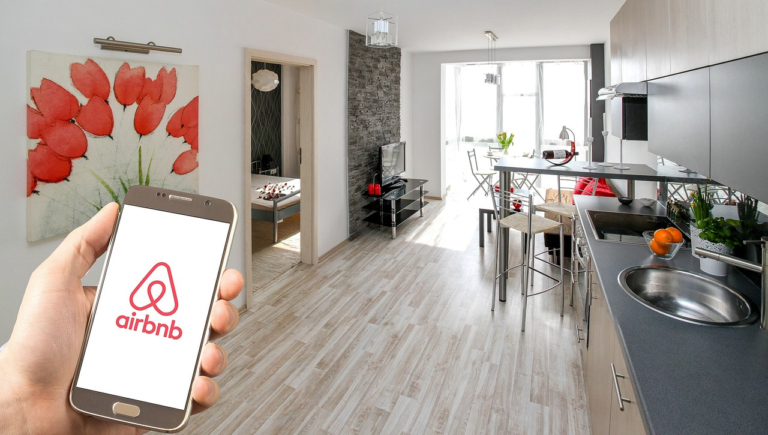
Nanyuki, at the foot of Mount Kenya, is one of the most sought-after travel destinations in Kenya. Whether you’re escaping Nairobi for a weekend getaway, planning a family vacation, or searching for the perfect remote-work base, finding the best Airbnbs in Nanyuki, Kenya ensures you get comfort, unique experiences, and value for your money.

In 2025, Airbnb listings in Nanyuki range from stylish studios to luxury villas, eco-cottages to farm stays—making it easy to tailor your trip to your exact taste.

If you’re searching for best Airbnbs in Nanyuki Kenya in Google or on social platforms, you’re in the right place—this authoritative guide sorts through top-rated, highly-reviewed, and best-value vacation rentals in Nanyuki for couples, families, solo travelers, and adventure seekers.

Why Choose Nanyuki for Your Airbnb Getaway?

  • Proximity to Key Attractions: Nanyuki is the gateway town to Ol Pejeta Conservancy, Mount Kenya National Park, Aberdares, Lewa Wildlife Conservancy, and numerous hiking and safari experiences.
  • Unique Climate & Vibes: The town offers a blend of cool highland climate, vibrant local culture, bustling markets, and stunning views of Mount Kenya.
  • Wide Airbnb Variety: From luxury mountain cabins with a view, to budget studios close to nightlife and restaurants, to quirky container homes and nature-inspired cottages, Nanyuki’s Airbnb scene is outstanding.
  • Activities for All: Plan wildlife safaris, visit Equator markers, hike, play golf, or explore Nanyuki’s lively bars and eateries.

Top 12 Best Airbnbs in Nanyuki Kenya for 2025

Below are the highest-rated and most sought-after Airbnbs in Nanyuki, selected based on guest reviews, amenities, unique features, and location. Listings include standout stays for every budget.

1. Kilima A-Frame Luxury Airbnb

  • Type: Romantic 1BR A-frame
  • Perfect for: Couples, solo travelers, Instagram moments
  • Highlights: Panoramic glass walls facing Mount Kenya, luxurious interiors, cozy fireplace, and an outdoor kitchen.
  • Unique Factor: Breathtaking sunrises/sunsets, stunning architecture, Instagram-ready.

2. Mount Kenya Cottage

  • Type: 2BR luxury wooden chalet
  • Best for: Families, friends’ retreats
  • Highlights: King-sized beds, fireplace, mountain views, walk/jogging paths, fully-equipped kitchen, yoga-friendly lawns.
  • Unique Factor: Retreat ambience and mountain-facing windows.

3. Lifestyle Villas Nanyuki (Airbnb with Private Pool)

  • Type: 5BR exclusive villa (bookable as entire space)
  • Best For: Groups, families, private getaways, events
  • Highlights: Pool, dedicated workspace, free Wi-Fi, pet-friendly, ultra-private (no other guests if you book it), lush gardens
  • Unique Factor: Private chef and large entertainment space.

4. Phelgone Nanyuki House B

  • Type: 1BR serviced apartment
  • Best For: Solo or couple travelers, business trips
  • Highlights: Heated swimming pool, chef on-call, workspace, scenic views, kids’ play area, high-speed internet.
  • Unique Factor: Personalized hospitality in a secure compound.

5. The Landing Cottage

  • Type: 1BR mountain-view cottage
  • Best For: Couples, nature lovers
  • Highlights: En-suite with balcony, open-concept kitchen, fireplace, work-from-home optimized, privacy and peace
  • Unique Factor: Scenic mountain views, modern rustic feel.

6. Mutamaiyu Cottage

  • Type: 3BR country villa
  • Best For: Large families, long stays, digital nomads
  • Highlights: Three fireplaces, private balconies, large terrace, tranquil gardens, walking distance to town.
  • Unique Factor: A place that offers a unique relaxing atmosphere.

7. Oasis Manor Apartment

  • Type: Modern apartment with mountain views
  • Best For: Solo, business, or couples
  • Highlights: Stylish design, queen bed, high-speed Wi-Fi, close to Cedar Mall and town center
  • Unique Factor: Chic décor and sunrise balcony.

8. Arabel’s Place 2, Riverside Villas

  • Type: Central Nanyuki studio
  • Best For: Couples, short breaks, budget stays
  • Highlights: Cozy/en-suite, queen bed, safe complex, walking access to shopping and dining.
  • Unique Factor: Elegant, affordable, and within town.

9. Dreamwood @ Ol Pejeta – Recycled Shipping Container Home

  • Type: Eco-friendly container home, 2 bedroom
  • Best For: Sustainable travelers, families, adventure seekers
  • Highlights: Nearly 360-degree mountain views, off-grid, close to Ol Pejeta Conservancy
  • Unique Factor: Eco-architecture, wildlife experience, off-the-beaten path.

10. Erica Airbnb Nanyuki

  • Type: Modern apartment
  • Best For: Families, groups, long stays
  • Highlights: Central location, private parking, kitchen
  • Unique Factor: Close to Nanyuki Sports Club, updated pricing for 2025.

11. Glamour Suites

  • Type: Short-let
  • Best For: Friends, small families
  • Highlights: Located near golf course, hotel amenities, balcony, and scenic surroundings.

12. Ol Pejeta Holiday Villas

  • Type: Safari villa
  • Best For: Adventurous travelers, families
  • Highlights: Located in Mount Kenya Wildlife Estate, near Ol Pejeta
  • Unique Factor: Ideal for immersive, wildlife-rich stays.

How Much Do Airbnbs in Nanyuki Kenya Cost in 2025?

  • Budget studios: From KES 2,000–3,500 per night (Arabel’s Place, Phelgone, many singles)
  • Luxury cottages/villas: KES 7,000–30,000 per night (Kilima A-Frame, Lifestyle Villas)
  • Entire homes for large groups: KES 10,000–45,000 per night or more, depending on season and amenities

Tip: Book early, especially during holidays and school breaks; use Airbnb filters to find discounts.

Unique Airbnb Experiences Only Found in Nanyuki

  • Stunning Mountain Views: Nearly every top-rated Airbnb in Nanyuki boasts epic vistas of Mt. Kenya—you can literally wake up to clear sunrise views.
  • Private Swimming Pools: Select listings (Lifestyle Villas, some cottages) have pools, perfect for luxury stays and family fun.
  • Eco and Container Homes: Stylish, off-grid options cater to eco-travelers and those seeking “bucket list” accommodations.
  • Safari & Adventure Proximity: Many Airbnbs work directly with tour guides for day trips, hikes, or safaris (ask your host for recommendations)!
  • Unique Architecture and Instagram Worthy Spaces: From A-frames to rustic wooden chalets and chic studios, design lovers will have their pick.

Best Neighborhoods to Book Your Airbnb in Nanyuki

  • Near Cedar Mall/City Center: Ideal for business travelers and easy walking to restaurants/shops.
  • Outskirts/Close to Mt. Kenya: For private getaways, gorgeous natural settings, and proximity to hiking.
  • Ol Pejeta/Lewa Road: Perfect for safari-lovers, close to conservancies and nature reserves.

What Amenities to Look for When Booking an Airbnb in Nanyuki

  • Wi-Fi and Workspaces: Essential for remote workers or digital nomads
  • Fireplaces/Heating: Nanyuki can get chilly—especially at night!
  • Private Parking: Secure, gated parking for those arriving by car
  • Equipped Kitchens: Whether self-catering or hiring a chef, this is a game-changer for longer stays
  • Guided Safari Links: Ask hosts about day trips to Ol Pejeta or Mt. Kenya
  • Pool/Hot Tubs: For a touch of luxury on your holiday

How to Book the Best Airbnb in Nanyuki, Kenya

  1. Use Verified Platforms: Book only through official Airbnb, Booking.com, or property websites for payment security and verified reviews.
  2. Contact Hosts with Questions: Before booking, ask about cancellation, check-in time, directions, and house rules.
  3. Read Guest Reviews: Pay close attention to comments about cleanliness, host responsiveness, and the actual view/location.
  4. Group Bookings: If traveling with friends/family, check for per-person rates, extra beds, and whole-home exclusivity.
  5. Special Occasions: Flag milestones (birthdays, honeymoons) when booking—you may get a welcome treat or free upgrade!

Local Tour Recommendations and Things To Do Nearby

  • Ol Pejeta Conservancy: World-class wildlife viewing, chimpanzee sanctuary, rhino experience.
  • Mount Kenya National Park: Hiking, climbing, birdwatching, and breathtaking panoramas.
  • Aberdares & Waterfalls: Perfect for day trips or guided walks.
  • Nanyuki Town Nightlife: Great restaurants, craft shops, and local bars.
  • Equator Marker Photography: Straddle two hemispheres in one snap!

Most Common FAQs about Booking Airbnb in Nanyuki, Kenya

Q: Which part of Nanyuki is best to stay in for wildlife?
A: Outskirts toward Ol Pejeta, Lewa, or Mt. Kenya—look for homes on the park roads or near conservancy gates for fastest access.

Q: Is it safe to book an Airbnb in Nanyuki?
A: Yes, especially via verified booking platforms. Always verify host identity, check for security amenities, and read guest reviews.

Q: Can I get high-speed internet in Nanyuki Airbnbs?
A: Yes, almost all premium and mid-range hosts now offer reliable Wi-Fi to attract remote workers and digital nomads.

Q: Are pets allowed in Airbnb rentals?
A: Some luxury and family-friendly Airbnbs allow pets, but always check the listing details or ask your host in advance.

Conclusion: Find Your Perfect Stay with the Best Airbnbs in Nanyuki Kenya

From eco-chic container homes to luxurious pools, romantic mountain-view retreats, and cozy urban studios, Nanyuki’s Airbnb scene is one of Kenya’s best-kept travel secrets in 2025. Choosing the right Airbnb in Nanyuki lets you explore the wonders of central Kenya with comfort, beautiful views, and world-class hospitality.

Want more? Leave a comment with your favorite Airbnb in Nanyuki or share your experience for future travelers!

Best Shopping Malls in Donholm: The Ultimate Guide for Nairobi Shoppers

Donholm, a bustling estate in the eastern part of Nairobi, has rapidly emerged as a retail and lifestyle hub for residents and visitors.

If you are searching for the best shopping malls in Donholm, this comprehensive guide is designed to help you discover the top options, including amenities, anchor tenants, shopping experience, accessibility, and investment value.

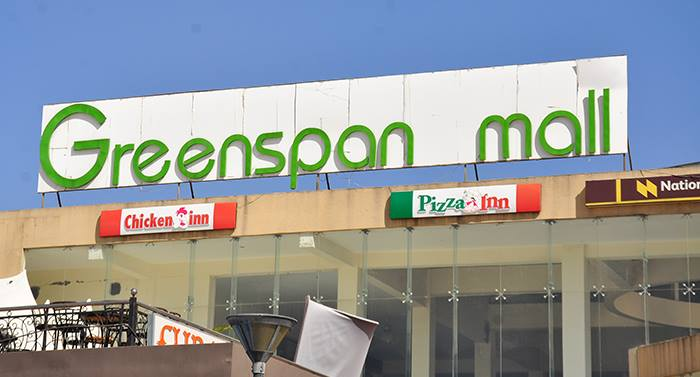
At the heart of Donholm stands Greenspan Mall—by far the largest, most modern, and conveniently located retail destination in the area.

Why Donholm’s Shopping Malls Matter

Shopping malls today are more than just places to buy groceries or clothing—they are community centers, entertainment spaces, and lifestyle anchors.

Nairobi’s expanding suburbs such as Donholm have attracted investors eager to capitalize on the need for convenient, secure, and multifaceted retail spaces.

Residents of Donholm, Savannah, Umoja, and surrounding estates now enjoy access to malls packed with national chain stores, independent retailers, eateries, banking facilities, and wellness centers—all improving daily life and economic dynamism in the region.

Greenspan Mall: Donholm’s Flagship Retail Destination

Location and Accessibility

Greenspan Mall is strategically located on Savannah Road, Donholm, making it accessible from major residential neighborhoods, schools, and workplaces in Nairobi East.

Its proximity—just 12 kilometers from Nairobi’s Central Business District (CBD)—ensures easy commutes whether you’re traveling by public transport or driving. With over 1,000 secure parking spaces, shoppers never have to worry about finding a spot.

Size and Facilities

Spanning 3.8 hectares (9.5 acres), Greenspan Mall boasts a Gross Lettable Area of 16,105 square meters (155,477 sq. ft.), making it one of the most spacious retail centers in the area.

The mall is designed to accommodate both national and local retailers, with more than 85% of space consistently tenanted. Facilities include:

  • Ample and secure parking (over 1,000 spots)
  • Modern architecture and plenty of natural lighting
  • Accessibility features for people with disabilities
  • Security systems and visible staff
  • Clean public restrooms
  • Lifts and escalators serving all four floors

Anchor Tenants and Retail Mix

Greenspan Mall’s tenant mix is a major reason for its enduring popularity.

Naivas Supermarket, one of Kenya’s leading retail brands, occupies 37% of the mall’s total space, providing residents with a full-service supermarket for groceries, home supplies, and general merchandise. Other major outlets and service providers include:

  • Fast food restaurants (Chicken Inn, Pizza Inn, Java House)
  • Healthcare centers (Aga Khan Hospital Outpatient Clinic)
  • Fashion and accessory shops (Bata, small boutiques)
  • Commercial banks (Standard Chartered, Bank of Africa)
  • Mobile and telecom shops (Safaricom Shop)
  • Entertainment venues (Cinema, bars)
  • Wellness and beauty (salons, spas)
  • Electronics and gadget shops

This diversity ensures that visitors can accomplish virtually all their errands under one roof—from shopping for essentials to grabbing a meal, banking, enjoying a movie, or even treating themselves to a day at the spa.

Events, Community Engagement, and Local Impact

Greenspan Mall regularly hosts events such as farmer’s markets, local music and art shows, product activations, and seasonal celebrations.

These initiatives turn the shopping mall into a lively community space, where families, youth, and business owners interact, network, and discover local talent. This approach fosters loyalty among customers and drives repeat visits.

Greenspan Mall’s Investment and Ownership Story

Greenspan Mall’s ownership and investment history is noteworthy for property and business enthusiasts. Acquired and managed by ILAM Fahari I-REIT (now under ICEA Lion Asset Management), the mall is a central asset in Kenya’s first publicly traded real estate investment trust (REIT). This has implications for:

  • Accessibility to property investment for ordinary Kenyans through shares
  • Stable returns for investors, owing to high tenant occupancy rates and rental escalations averaging 7.5% per year
  • Professional management resulting in quality maintenance, innovation, and continuous upgrades

For Donholm residents, this means a mall that adapts to local needs—adding new stores, upgrading common areas, and responding quickly to feedback.

Other Shopping Options in Donholm

While Greenspan Mall is the crown jewel of Donholm retail, there are other notable shopping centers and markets worth mentioning:

Donholm Shopping Centre

Located on Donholm Road, this retail zone features smaller outlets, independent grocers, clothing stores, and accessories shops. While it doesn’t offer the scale or polish of Greenspan Mall, it is a good option for quick pick-ups and community-based shopping.

Local Markets and Standalone Stores

Scattered throughout Donholm and neighboring estates, small shops and fresh produce markets thrive. These cater to pedestrian traffic and offer personalized customer service, unique wares, and competitive pricing.

What Sets Greenspan Mall Apart?

Convenience and Variety

Greenspan Mall’s major draw is its “one-stop shop” convenience. Whether you’re a parent shopping for a week’s groceries, a professional running banking errands, or a student looking for a bite to eat—everything is accessible within minutes.

Safe, Family-Friendly Environment

Parents appreciate the mall’s safety features, clean facilities, and child-friendly spaces. There are entertainment options for children, including occasional indoor play areas, kids’ events during weekends, and holiday-themed activities.

Facilities for Small Businesses

Alongside big national chains, Greenspan Mall invites local entrepreneurs, fashion designers, and specialty service providers to set up shop. This encourages economic growth, job creation, and diversity in the shopping experience.

On-going Upgrades and Community Initiatives

Ownership by Fahari I-REIT means Greenspan Mall gets continuous upgrades—be it in digital payment systems, parking management, or sustainability initiatives. Regular events and loyalty programs ensure the mall remains the preferred retail destination for locals.

Shopping Trends and the Future of Retail in Donholm

The rapid urbanization of Donholm has led shopping malls to adapt to changing consumer needs. Trends driving the mall experience include:

  • Digital Integration: Greenspan Mall incorporates contactless payments, digital coupons, and online shopping interfaces, allowing tech-savvy shoppers to enjoy convenience and speed.
  • Sustainability: Energy-saving lighting, water-efficient restrooms, and eco-friendly common areas demonstrate long-term responsibility to the environment.
  • Health, Safety, and Wellness: Post-pandemic, malls are more attentive to hygiene protocols, wellness options, and providing clean, safe spaces for families.

How to Get the Most Out of Your Shopping Mall Experience in Donholm

  • Plan your visit during off-peak hours to avoid long queues, especially at supermarkets.
  • Leverage the mall’s loyalty programs and seasonal discounts for savings.
  • Participate in community events for fun, networking, and giveaways.
  • Consider alternate modes of transport—or carpool—during busy weekends to save on parking.
  • Compare small local outlets with big brands for unique deals and products.

Why Choose Donholm’s Shopping Malls?

For Donholm residents and Nairobi East’s growing population, shopping malls provide more than just convenience—they’re lifestyle anchors, safe havens, and community hubs. Greenspan Mall leads the pack, offering unrivaled scale, variety, professionalism in management, and a vibrant retail experience tuned to local tastes. Whether you are a resident, visitor, or investor, Donholm’s shopping malls—especially Greenspan Mall—should be top on your Nairobi must-visit list.

Best option for you to explore: For shopping, banking, dining, and entertainment in Donholm, Greenspan Mall is the clear standout—offering scale, variety, convenience, and ongoing investment-backed improvements.

For deeper savings and local charm, try Donholm Shopping Centre or small independent outlets in the area. Combining both gives you the full spectrum of Nairobi East’s evolving lifestyle experience.

Education Ministry Releases 2026 School Calendar: Key Dates for Kenyan Learners, Parents, and Educators

0

The Ministry of Education has officially released the 2026 school calendar for all learning institutions in Kenya.

The newly issued term dates are designed to provide clarity for students, teachers, and parents as the country transitions to the academic year under the competency-based curriculum (CBC).

This comprehensive guide outlines major changes, crucial dates, and expert tips for maximizing learning and planning ahead.

School Calendar Overview for 2026

First Term:

  • Opening Date: January 5, 2026
  • Half-Term Break: February 25 – March 1, 2026 (5 days)
  • Closing Date: April 2, 2026
  • Holiday: April 7 – April 24, 2026 (3 weeks)

Learners will enjoy a well-structured first term spanning 13 weeks before the April holiday, offering ample academic time and a vital mid-term respite.

Second Term:

  • Reopening: April 27, 2026
  • Half-Term Break: June 24 – June 28, 2026
  • Closing Date: July 31, 2026
  • Holiday: August 1 – August 21, 2026 (3 weeks)

The second term runs for 14 weeks, with a strategic five-day half-term break to ensure learners and teachers can recharge.

Third Term:

  • Reopening: August 24, 2026
  • Closing Date: October 23, 2026 (9 weeks)
  • Holiday: October 24, 2026 – January 1, 2027 (10 weeks)

The third and final term is the shortest, with no mid-term break to allow for a focused conclusion ahead of major national examinations.

National Exam Dates for 2026

KPSEA (Kenya Primary School Education Assessment), KILEA, KJSEA:

  • Start Date: October 26, 2026
  • End Date: October 29, 2026 (KPSEA), plus additional assessments for other levels

KPLEA (Pre-Vocational Level):

  • Start Date: November 2, 2026

KCSE (Kenya Certificate of Secondary Education):

  • Start Date: November 2, 2026
  • End Date: November 20, 2026

Major exams—including new assessments under CBC—will take place immediately after third term ends, allowing learners adequate preparation and transition time.

Calendar for Diploma Teacher Training Colleges (DTTCs)

  • Term 1: January 6 – April 2, 2026
  • Term 2: April 27 – July 31, 2026
  • Term 3: August 24 – November 6, 2026
  • December Holiday: November 9, 2026 – January 1, 2027

Key Changes and Highlights

No More Collecting KCPE, KCSE Certificates in Schools: Learners will benefit from streamlined certificate distribution.

  • Third Term Policy: All non-essential activities and visits to secondary schools will remain banned during Term 3, per Ministry guidelines.
  • Competency-Based Curriculum: All exams align with CBC design, including new levels (KPSEA, KILEA, KJSEA, KPLEA) alongside KCSE.
  • Holiday Structure: Long December holiday ensures families have ample time to reconnect and for learners to prepare for the next year.

SEO Keywords To Target

  • 2026 school calendar Kenya
  • Kenya Ministry of Education 2026
  • KCPE, KCSE exam dates 2026
  • CBC school term dates 2026
  • Opening, closing dates for Kenyan schools
  • Diploma Teacher Training Colleges Kenya

Expert Tips for Parents, Learners, and Teachers

  • Mark all key dates: Avoid last-minute rush by noting term schedules and exam timetable on your calendar.
  • Plan family events around school holidays: With clear term breaks, families can maximize vacation and travel planning.
  • Stay informed via official channels: Visit the Ministry of Education website or trusted news sites for updates.
  • Monitor exam prep: Utilize the extended holidays for revision, extra lessons, or relaxation before major exams.
  • Teacher training colleges: Leverage synchronized schedules for smooth transitions, planning, and further studies.

What This Means for You

The new 2026 school calendar gives clarity and stability for all stakeholders—parents can plan ahead, learners can prepare for exams, and educators can create effective teaching programs.

The government’s focus on CBC will further enhance educational outcomes as Kenya moves towards a more skills-oriented curriculum. To maximize your 2026, always use these dates for proactive planning and stay tuned to official Ministry communications for possible changes or updates.

How to Reverse Accidentally Bought KPLC Tokens: The Essential Guide for 2025 and Beyond

Buying Kenya Power (KPLC) tokens has never been easier, thanks to mobile money services like M-Pesa and Airtel Money. But with the speed of digital transactions, mistakes happen—maybe you accidentally entered the wrong meter number, bought tokens for the wrong amount, or sent money to the wrong account. Don’t panic! This guide will help you understand exactly how to reverse accidentally bought KPLC tokens and recover your money fast.

Why Do Accidental KPLC Token Purchases Happen?

Kenyans frequently purchase KPLC prepaid tokens digitally. Errors may arise from:

  • Entering the wrong meter/account number
  • Paying a different amount than intended
  • Sending money through unofficial/unverified agents or apps
  • Network interruptions during payment

Recently, a viral case involved businessman JJ Titus who mistakenly spent Ksh160,000 on tokens he never intended to buy—a story many Kenyans can relate to.

What Should You Do Immediately After a Mistake?

If you realize you’ve bought KPLC tokens by mistake:

  • Do NOT delete your transaction SMS: You’ll need these records for the reversal process.
  • Take a screenshot of your M-Pesa/Airtel Money payment confirmation.
  • Note your meter number and any reference numbers given after the transaction.

The Official KPLC Token Reversal Procedure (Step by Step)

KPLC has a CUSTOMER-ORIENTED, official process to help you recover funds from accidental token purchases. It is crucial to act quickly—ideally within seven (7) days of the erroneous transaction.

1. Download and Complete the Prepaid Reallocation Form

  • Visit the official KPLC website (www.kplc.co.ke) and download the “Prepaid Reallocation & Reversal” form.
  • Alternatively, request the form via email at [email protected].

2. Gather Required Documentation

You must provide:

  • copy of your transaction receipt (screenshot of the M-Pesa/Airtel Money SMS)
  • Your National ID (or passport for non-Kenyans)
  • Your meter/account number
  • Payment reference details

3. Submit Your Application for Reversal

  • Email: Send the completed form and attachments to [email protected].
  • Physical Drop-off: You can also submit documents at your nearest KPLC office.
  • Always ensure you receive a reference number for any future follow-ups.

4. Wait for Verification and Refund Processing

The KPLC Revenue Protection and Customer Service teams will:

  1. Verify: They will check if tokens were generated and/or used.
    • If tokens were not generated or used: The reversal will be processed.
    • If tokens were already loaded/used: Unfortunately, the refund cannot proceed.
  2. Approval: If eligible, your refund will be approved and processed.
  3. Refund Processing: Money is typically returned through the original payment channel (M-Pesa, bank, or EFT).
    • The process usually takes 3–14 business days depending on your payment provider.

5. Receive Confirmation

KPLC will notify you via SMS and/or email once the reversal and refund have been completed.


Key Points to Note

  • Act within 7 days: Delays reduce your chances of successful recovery.
  • Tokens already loaded to a meter CAN’T be reversed.
  • Mistakes made through unofficial agents or third-party apps are outside KPLC’s control and cannot be reversed.
  • Always use official KPLC channels: Only buy through authorized platforms using Paybill 888880 for prepaid tokens.

How to Contact KPLC for Token Reversal

  • Call Customer Care Hotline: 97771 or 0703 070 707 / 0732 170 170
  • Email: [email protected]
  • Social Media: Direct message the official Kenya Power Care page on Facebook or Twitter/X.
  • Walk-in: Visit the nearest Kenya Power office with your documents.

Expert Tips to Prevent KPLC Token Errors

  • Double-check meter and amount before confirming payment.
  • Only use official KPLC payment options.
  • Retain transaction confirmations for at least 30 days.
  • If unsure, use the official KPLC app or website before making or confirming payments.

Frequently Asked Questions

Can I reverse KPLC tokens if I sent money to the wrong meter?

Yes, if tokens have not been generated or loaded onto the other meter, you can request a reversal within 7 days. If the tokens are already loaded and used, a refund is not possible.

How long will it take to get my money back?

Refunds are usually processed within 3–14 business days. Make sure the documentation is complete and correct for faster processing.

What if I enter the correct meter but the token SMS is delayed?

You can retrieve your token by:

  • Dialing *977#
  • Using the KPLC app or visiting their website

What if I bought tokens through an unofficial agent?

If you used unverified vendors or apps, KPLC cannot process a reversal or refund as the funds were not received on their end.


Final Thoughts: Don’t Panic—Take Prompt Action

Accidentally buying the wrong KPLC tokens is a stressful but fixable mistake. By:

  • Acting fast,
  • Submitting the required information,
  • Using official channels,

you can maximize your chances of a successful token reversal. Be vigilant, use only authorized payment options, and always store your transaction details safely.

If you’ve made a mistake, follow these steps right away, and you’ll be back on track in no time!

Meet the Owners of Donholm’s Greenspan Mall: Nairobi’s Property Investment Success Story

Greenspan Mall, strategically located along Savannah Dakar Road in Donholm, Nairobi, has become a landmark in Kenya’s retail landscape since its opening in 2012.

With over 60 outlets—including local retailers and international brands such as Java House, Aga Khan Hospital, Bata, Chicken Inn, Pizza Inn, Standard Chartered Bank, Bank of Africa, Safaricom Shop, and Naivas Supermarket—the four-story shopping center serves residents in Embakasi, Umoja, Donholm, and Buruburu. But who are the real power players behind this multi-billion property venture?

Greenspan Mall Ownership Structure: From Stanlib Investments to ICEA Lion Asset Management

For years, Greenspan Mall was fully owned by South Africa’s Stanlib Investments, acting via its real estate investment trust, ILAM Fahari I-REIT. Not only was this the first Nairobi Securities Exchange (NSE)-listed REIT in Kenya, but it also set a benchmark for commercial property investment in East Africa.

ILAM Fahari I-REIT specializes in acquiring and managing income-generating real estate—think retail malls, mixed-use developments, and commercial hubs. What adds to its appeal is that ordinary investors can buy into a portfolio of large-scale Kenyan properties, enjoying regular distributions supported by solid commercial leases.

The pivotal moment came in July 2015 when ILAM Fahari I-REIT acquired Greenspan Mall through a high-profile share purchase agreement, gaining full control of Greenspan Mall Limited and the adjacent parcels of land.

The purchase consumed Ksh2 billion from the Ksh3.6 billion raised during the REIT’s public offering—cementing Greenspan Mall as a flagship asset in the diversified property portfolio managed by ICEA Lion Asset Management (ILAM).

Transitioning to the Next Generation of Kenyan Property Ownership

In 2020, the ownership landscape shifted further when Fahari I-REIT, recently delisted from the NSE’s Main Investment Market Segment, was acquired by Kenya’s Philip Ndegwa family through ICEA Lion Asset Management. This signaled a significant transition in local asset control, giving the Ndegwa family a direct stake in one of Nairobi’s oldest and most influential shopping malls.

Aside from Greenspan, the investment trust’s portfolio boasts other key properties—Signature International, Bay International, and 67 Gitanga—showing long-term growth in Nairobi’s vibrant real estate sector.

Why Greenspan Mall Stands Out in Nairobi’s Retail Scene

  • Prime Location: Serves high-density residential estates in Nairobi East.
  • Retail Diversity: Features over 60 diverse outlets, offering everything from banking and healthcare to food and fashion.
  • Investor Access: Owned by a REIT, making commercial property investment accessible to ordinary Kenyans.
  • Steady Growth: Demonstrates sound asset management and investment return strategies.
  • Security in Ownership: Backed by reputable asset managers—Stanlib (South Africa) and ICEA Lion Asset Management (Kenya).

SEO Long-Tail Keywords for Maximum Visibility

  • Nairobi shopping malls with international retailers
  • Real estate investment trusts Kenya
  • ICEA Lion Asset Management properties Nairobi
  • Best shopping malls in Donholm Nairobi
  • Greenspan Mall Nairobi opening hours
  • Major tenants in Greenspan Mall Embakasi
  • How to invest in Kenya property trusts

Conclusion: Property Investment Opportunities in Nairobi

Greenspan Mall’s journey exemplifies Nairobi’s transformation into an investment-friendly destination for commercial real estate.

The combination of international expertise, secure asset management, and local ownership makes Greenspan Mall not just a shopping center, but a prime model for property investment in Kenya.

For anyone looking to invest in or learn about Nairobi’s booming real estate market, understanding the ownership and management structure of flagship malls like Greenspan Mall is pivotal. Whether you’re a prospective investor, business owner, or shopper, Greenspan Mall continues to shape and reflect Nairobi’s dynamic growth.

South African Buses: The Ultimate Guide to Travel, Comfort, and Connectivity

South Africa’s bus network is the pulse that connects the vibrant cities, picturesque towns, rural communities, and even neighboring countries. Whether you’re a local commuter or a visitor exploring the Rainbow Nation, understanding the range, reliability, and experiences offered by South African bus operators is essential for smooth travel. This guide dives deep into bus services, ticketing information, top providers, route options, and travel tips to help you navigate South Africa seamlessly.

Why Choose Buses in South Africa?

Buses remain a staple for intercity and cross-border travel in South Africa. From affordable no-frills services to luxury coaches boasting comfort, safety, and entertainment, the South African bus landscape is diverse and competitive. The major operators offer extensive routes connecting major cities like Johannesburg, Cape Town, Durban, Pretoria, and beyond.

Key Advantages:

  • Affordability: Bus travel is cost-effective compared to flights or private cars, with providers competing to offer the best deals and seasonal offers.
  • Accessibility: Buses reach deep rural municipalities, major cities, border posts, and tourist hotspots.
  • Flexibility: Hop-on, hop-off services, multiple booking options, and daily departures provide convenience for every traveler.
  • Safety: Strict carrier regulations, driver standards, and modern fleets make bus travel a safe choice.

Top Bus Operators in South Africa

Let’s explore some of the leading names and what sets them apart:

1. Bazbus – The Traveler’s Choice for Flexibility
A fixture since 1995, Bazbus is famous for its hop-on, hop-off ticketing—letting travelers decide where to go and how long to stay. It connects major attractions and hidden gems, making it ideal for backpackers, solo travelers, and adventurous groups. Bazbus is praised for:

  • Knowledgeable local drivers
  • A fun, sociable atmosphere
  • Flexible routes (re-routing via stops not listed for spontaneous discovery)
  • Easy online booking and login system
  • Over 300,000 happy customers
  • 99% satisfaction rating

2. City to City & Translux – Affordable, Broad Coverage
Operated under PRASA, City to City focuses on semi-luxury, no-frills domestic and regional trips with a huge network. Routes connect cities in South Africa, rural stops, and Southern Mozambique, with past expansions into Zimbabwe, Malawi, Swaziland, Lesotho, and Zambia. Features include:

  • Reliable long-distance travel with extensive city networks
  • Multiple stops in every major city
  • Direct bookings and telephonic support
  • Competitive fares and multiple agency partnerships
  • Simple payment (EFT, credit card)
  • Various routes: Durban to Cape Town, Johannesburg to Maputo, Pretoria to Musina, and more
  • Charter bus services for groups

3. Greyhound – Luxury and Reliability
Since 1984, Greyhound is renowned for luxury Dreamliner and Single Decker coaches, connecting cities comfortably and safely. Options range from family-friendly entertainment to seamless online bookings. Features include:

  • Fast, reliable luxury service
  • High safety standards; strict passenger conduct rules
  • Optimum comfort; designed to 5-star specifications
  • Online ticketing and customer service
  • Affordable pricing (~R615 for Johannesburg–Cape Town)
  • ~20-hour journeys covering 1,455 km with clear schedules

4. Intercape – Africa’s Largest Intercity Bus Service
Competitively priced, Intercape’s Budgetliner and Big Sky Intercity are often mentioned as alternatives for those seeking cheaper long-distance tickets. Their vast route networks and modern fleets attract budget and regular travelers alike.

How to Book South African Bus Tickets

Booking is streamlined for traveler convenience. Most providers offer:

  • Online Booking: Secure platforms and mobile-friendly sites for ticket selection and payment.
  • In-Person Purchases: At bus stations, travel agencies, or retail partners.
  • Phone Support: Dedicated call centers for ticketing queries and real-time travel status.

Payment Options:

  • Credit/debit card
  • EFT (Electronic Fund Transfer)
  • SID Secure EFT (with agency support if issues arise)

Pro-Tip: For popular periods and long journeys, secure tickets in advance and verify booking confirmation, especially with direct bus websites that sometimes experience glitches.

Major Bus Routes and Timetables

South Africa’s bus routes cover nearly every corner of the country. Key routes include:

  • Durban–Cape Town: ~27 hours, with scenic stops along the coast
  • Johannesburg–Maputo: ~8+ hours, ideal for cross-border travelers
  • Pretoria–Cape Town: Overnight options available, passing through classic South African landscapes
  • Johannesburg–Musina: Gateway to Zimbabwe, with regular scheduled services
  • City links: Several daily services between job hubs (Johannesburg–Pretoria, Durban–Johannesburg, etc.)

Each operator provides detailed itineraries and stops. For example, City to City details arrival/departure times for every significant stop—useful for travelers planning stops en route.


Inside the Bus Experience: Comfort, Safety & Policies

Comfort: Expect reclining seats, climate control (air conditioning/heating), luggage storage, and family-friendly travel.

  • Entertainment: Providers like Greyhound offer video/audio entertainment, but it may vary per vehicle.
  • Food & Drinks: Usually not provided onboard; passengers are encouraged to bring their own.
  • Cleanliness & Safety: Strict policies on smoking, alcohol, and drugs. Violations result in removal at the next safe stop.

Carrier Liability: Operator terms generally exclude liability for lost or damaged property, so always carry belongings carefully.

Tips for a Great Bus Travel Experience in SA

  • Book early during holidays and peak periods as buses fill fast.
  • Arrive early at the station for check-in and seating.
  • Keep valuables secure and avoid leaving them unattended.
  • Pack your own snacks and water for longer trips.
  • Respect schedules, rules, and fellow travelers for a pleasant journey.

Industry Trends and Safety Initiatives

Recent developments reflect South Africa’s commitment to improving bus travel:

  • Modernization of aging fleets for better efficiency and lower emissions
  • Business rescue operations for key providers (e.g., Autopax/PRASA) to ensure viability
  • Increased government oversight and recapitalization of providers for fleet renewal
  • Ongoing collaboration between bus and rail operators for seamless travel

Challenges:

  • Occasional delays due to road conditions, protests, or business struggles
  • Fierce competition among providers driving innovation and cost-cutting
  • Safety concerns mainly focus on property, roadside accidents, or crime—operators address these with strict policies, GPS tracking, and 24/7 helpdesks

Integrating Your Bus Journey: Multi-Modal Travel in South Africa

Most major bus terminals adjoin rail stations, taxi ranks, and urban transport hubs, facilitating easy transfers to city metros, local trains, and ride-sharing. Popular transfer points include Johannesburg Park Station, Cape Town Station, Pretoria, Durban, and more.

Frequently Asked Questions

Q: Are South African buses safe and reliable?
A: Yes, especially leading operators with strict standards and modern monitoring systems.

Q: Can I travel cross-border by bus from South Africa?
A: Absolutely. Routes include Mozambique, Zimbabwe, Lesotho, and Swaziland; check operator schedules.

Q: What is the average price for intercity bus tickets?
A: Prices range widely. Johannesburg to Cape Town is around R615 with Greyhound; budget and luxury services vary seasonally.

Q: How do I contact bus providers in case of issues?
A: Most provide 24/7 helplines, email support, and live web or app chat. City to City offers toll-free lines and email support; Greyhound has responsive social media and booking portals.


Conclusion: Why South African Buses Should Be Your Top Choice

Whether you’re crossing provinces, heading for the coast, or venturing across borders, South Africa’s bus system is efficient, safe, and traveler-friendly. Major providers like Bazbus, City to City, Greyhound, and Intercape make travel affordable and flexible for every niche, from budget adventurers to luxury seekers. Book early and explore South Africa’s diverse landscapes and cultures from the comfort and safety of a modern coach.

For up-to-date timetables, ticketing, and travel tips, visit the official sites of major operators and watch for seasonal deals. Adventure, business, or family trip—South African buses deliver the journey you deserve.

Read Also: Mash Poa Online Booking Kenya