The Kenya Universities and Colleges Central Placement Service (KUCCPS) has opened applications for students who want to join Kenya Medical Training College (KMTC) programmes.
The application period runs from October 1 to October 14, 2025.
Available Courses
You can apply for certificate or diploma courses.
Certificate Courses
Some of the certificate courses you can apply for:
Medical Engineering
Orthopaedic Trauma Medicine
Health Records and Information Technology
Emergency Medical Technician
Public Health
Nutrition and Dietetics
Community Health Assistant
Health Insurance Management
Diploma Courses
Some diploma courses include:
Mortuary Science
Medical Laboratory Sciences
Physiotherapy
Community Health
Radiography and Imaging
Public Health
Medical Social Work
Nutrition & Dietetics
Occupational Therapy
Health Counselling
Pharmacy
Speech and Language Therapy
Health Promotion
Other options also include upgrading courses if you already have a certificate or diploma.
Entry Requirements
Here are the requirements for applying:
For certificate courses: you need at least a C- grade in KCSE, along with specific grades in cluster subjects.
For diploma courses: you need at least aC grade in KCSE, with cluster subject requirements.
If you are applying to upgrade (from certificate to diploma, or from diploma to degree), you must already hold a certificate or diploma in the relevant field.
Ethiopia is preparing to make a bold statement in Africa’s aviation landscape with the construction of a massive new airport in Bishoftu, funded with support from the United States. Valued at approximately US$10 billion, or about Sh1.3 trillion, the project is one of the most ambitious infrastructure undertakings in the region. Once completed, it will not only reshape Ethiopia’s transportation network but also strengthen its role as a key hub for global air travel.
The scale of the airport is unprecedented on the continent. Situated about forty kilometers south of Addis Ababa, the Bishoftu facility is designed to handle more than one hundred million passengers annually once all phases are complete.
First Stage
Even in its first stage, projected to cost six billion dollars, the airport will boast the capacity to serve sixty million passengers and accommodate up to 270 aircraft. Plans also include a modern airport city, complete with malls, hotels, and recreation facilities, alongside expressway and rail links connecting it directly to Addis Ababa. The vision is to create not just an airport, but a full ecosystem that integrates aviation, commerce, and urban development.
The funding is being spearheaded by the US International Development Finance Corporation (DFC) and other partners, with strong collaboration from aviation stakeholders such as Boeing and Ethiopian Airlines.
This reflects Washington’s growing strategic interest in African infrastructure and economic growth. The US Senior Advisor for Africa, Massad Boulos, has emphasized that the project represents a deepened partnership with Ethiopia, especially in sectors that are vital for long-term connectivity and prosperity.
For Ethiopia, the airport carries profound implications. Its current main facility, Bole International Airport, has served the nation well but is already straining under growing passenger numbers and limited capacity.
Once Bishoftu airport becomes operational, Bole will shift its focus primarily to domestic flights, freeing the new mega-hub to serve as Ethiopia’s international gateway. This move is expected to place Ethiopia firmly among the leading aviation centers of Africa, rivaling hubs in Nairobi, Johannesburg, and Lagos.
Challenges
Yet, as with any large-scale project, challenges loom. Financing uncertainties, the risk of cost overruns, and the logistical complexity of completing a project of this magnitude within five years remain significant hurdles. Furthermore, environmental concerns, land acquisition, and community resettlement issues could affect progress. Questions also linger about whether Ethiopia will achieve the projected passenger demand in the face of stiff competition from other regional airports. Even so, the project’s potential to generate employment, attract foreign investment, and stimulate growth in sectors such as tourism, trade, and logistics makes it a transformative prospect.
Ultimately, the Bishoftu airport project is more than just a construction effort; it is a symbol of Ethiopia’s ambition to rise as a continental leader in aviation and economic connectivity. If completed successfully by its 2029 target, the airport will not only redefine Ethiopia’s aviation capacity but also reinforce Africa’s growing presence in global air travel. For a country seeking to modernize and strengthen its role in the global economy, this US-backed airport represents both a bold vision and a decisive step into the future.
In Kenya, many people underestimate the risks of acting as a loan guarantor. What begins as a gesture of goodwill can easily spiral into financial disaster. This reality came crashing down on Kennedy Kimutai Salat, whose decision to guarantee a friend’s loan with Faulu Microfinance Bank cost him property worth Sh32 million. His case has become a striking example of the loan guarantor risks in Kenya and why one must tread carefully when entering such agreements.
The Beginning: Guaranteeing a Friend’s Loan
In November 2015, Kennedy Kimutai Salat agreed to stand as a guarantor for his friend, Robert Kanuli, who sought an Sh11 million loan from Faulu Microfinance Bank. However, Salat was firm that he could only guarantee Sh5.6 million of the loan. To secure this portion, he surrendered the title deed to his prime property in Kericho town, valued at over Sh32 million.
Like many who sign as guarantors, Salat believed he was simply helping a friend unlock financial support while limiting his own exposure. But as many Kenyans have learned, the line between borrower and guarantor is dangerously thin.
The Auction Shock: From Sh5.6M Guarantee to Sh32M Loss
Fast forward to July 2024, nearly a decade later. Salat received a notice from Antique Auctioneers, acting on behalf of Faulu Bank, informing him that his property was due for public auction. The shocking part? The debt had ballooned to Sh32.9 million, far beyond the Sh5.6 million he thought he had guaranteed.
In February 2025, his fears materialised when the property was sold at auction for Sh13 million to a buyer named Emmanuel Kibet Kirui. To Salat, this represented not only a loan guarantee gone wrong, but also a gross undervaluation — considering the land was worth Sh32.5 million by market estimates.
By the time he tried to contest the matter at the land registry, the property had already been transferred to the new owner.
Legal Questions and Disputes
Through his advocates at GKL Law Firm, Salat has taken the matter to court. His petition raises several pressing legal issues:
Scope of Liability: He insists he only guaranteed Sh5.6 million, not the full Sh11 million loan, and therefore should not be liable for the total debt.
Debt Escalation: How the loan grew from Sh11 million to Sh32.9 million remains questionable. Was it through interest, penalties, or compounding charges?
Undervaluation of Property: Selling a Sh32.5 million property at Sh13 million raises concerns about fairness and transparency in Kenyan property auctions.
Rights of the Guarantor: He is asking the court to release him from liability beyond his original guarantee and to prevent any further dealings with his property.
Lessons for Kenyans: The Real Risks of Loan Guarantees
This case is more than just one man’s tragedy. It is a wake-up call for all Kenyans who casually sign as guarantors for family, friends, or colleagues. Some of the key takeaways include:
Understand Your Liability: Even if you guarantee part of a loan, banks can pursue your assets if the borrower defaults.
Loan Default Consequences in Kenya: A small guarantee can snowball into a much larger loss due to interest rates, penalties, and auction costs.
Auction Risks: Many Kenyan property auctions face accusations of undervaluation, leaving guarantors with massive financial losses.
Seek Legal Advice First: Before signing, consult a lawyer to ensure the guarantee agreement clearly defines your limits of liability.
Conclusion: A Cautionary Tale
The story of Kennedy Kimutai Salat vs Faulu Microfinance Bank is not just about property lost; it is about trust, legal awareness, and financial caution. Acting as a guarantor may seem like a noble gesture, but in Kenya’s financial environment, it can also become a direct path to personal ruin.
Salat’s ordeal reminds us that loan guarantor risks in Kenya are real and often underestimated. As banks tighten lending rules and defaults rise, guarantors will continue to bear the brunt of failed loans. His case should inspire Kenyans to think twice before putting pen to paper — because one signature can be the difference between financial stability and losing a lifetime’s worth of investment.
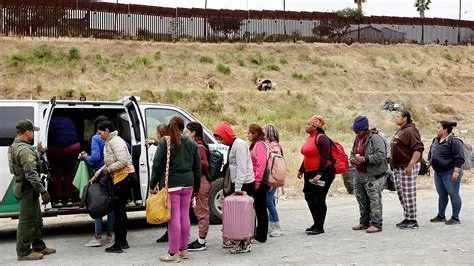
When faced with no clear path forward, Sam Kang’ethe made a heartbreaking decision: leave the U.S. voluntarily—before Immigration and Customs Enforcement (ICE) arrived to do it for him.
A Life in Limbo
Sam Kang’ethe, a Kenyan father of three, lived in Lansing, Michigan, for over 16 years. He arrived in the U.S. on a student visa, earned a bachelor’s degree in accounting, then went on to complete a master’s in finance from Central Michigan University.
In 2014, he married a U.S. citizen, which initially granted him conditional residency. But instead of being a bridge to stability, that marriage became the source of his deportation risk: an immigration official later ruled it fraudulent. Kang’ethe maintains he never had a criminal record.
Despite legal proceedings, his case was never resolved. A judge never issued a final ruling, yet the administrative determination alone made him “deportable.”
The Moment of Choice
By May 2025, the pressure had become unbearable. ICE had begun aggressively targeting undocumented immigrants—even those without criminal backgrounds.
Kang’ethe recalls his fear of daily routines—dropping kids at school or going to the grocery store—turning into targets for arrest:
“I can’t imagine myself taking my kids to school and then being picked up by ICE.”
Rather than wait, he “resigned” his fate in May and flew back to Kenya under what’s known as self-deportation. He left behind his wife, Latavia, and their three children (ages 13, 11, and 5).
More Than Just a Case Number
Kang’ethe’s story underscores the tension between legal precedent and lived reality. On paper, he had a pending case scheduled for January 2026 to challenge the fraud finding. But in the U.S. immigration system, that barely mattered—ICE’s priorities had already made him a target.
He insists he wasn’t giving up:
“I explain to my family: I’m not abandoning you. I’m leaving to be safe.”
But the costs are steep. The move roils the fabric of his family’s life. Latavia faces being a single parent across continents. The children lose a father’s daily presence. Family income and connections shift abruptly.
A Broader Immigration Moment
Kang’ethe is not alone. Many immigrants now face the choice: self-deport or risk being detained and deported under stricter enforcement.
More than 7,000 people have used the U.S. government’s “self-deport app,” which offers a free one-way ticket home—but that number likely excludes many who depart independently, like Kang’ethe.
His former employer, a beer distribution company in Michigan, described him as reliable and capable, underscoring the fact that Kang’ethe was not a fringe case—but someone contributing to his community.
Looking Ahead
Back in Kenya, Kang’ethe says he is applying for jobs while navigating the emotional toll of separation. His goal: find a way to reunite with his family, possibly in the future—but only on his own terms.
He chooses to frame his decision not as defeat, but as agency:
“I’m not hiding. I want my family to know where I am. If something happens, they can reach me.”
In 2007, the Writers Guild of America (WGA) strike brought Hollywood to a standstill. Scripted television shows went dark, production schedules were thrown into chaos, and viewers were left with a massive entertainment void. Yet, amid the crisis, one genre not only survived but thrived—reality TV. Shows like Survivor, Big Brother, and The Amazing Race saw a surge in popularity, as networks scrambled to fill the content gap left by scripted series.
Fast forward to 2024, and things look different. Reality TV, once seen as an indomitable force in entertainment, seems to be struggling. Viewership is down, new formats are floundering, and long-running franchises are losing their spark. Why has a genre that thrived during the previous strike faltered this time around?
The Changing Landscape of Entertainment
One of the biggest differences between 2007 and 2024 is the way audiences consume content. In 2007, traditional network television was still king, and reality TV provided an easy-to-produce, unscripted alternative to keep viewers engaged. But in 2024, the entertainment landscape has radically shifted. Streaming services, on-demand content, and social media platforms dominate the scene, offering viewers endless choices beyond what’s available on cable or network TV.
Reality TV Fatigue
Another factor contributing to the decline of reality TV in 2024 is simple burnout. The genre has been oversaturated for years, with countless iterations of talent competitions, dating shows, and survival challenges crowding the airwaves. What once felt fresh and exciting has become formulaic and repetitive. New reality concepts struggle to break through the noise, while older shows like The Bachelor and Keeping Up with the Kardashians have either ended or seen viewership dwindle.
The rise of social media influencers and YouTube personalities has also blurred the lines of “reality” entertainment. Platforms like Instagram and TikTok offer users a more personal, unfiltered view into people’s lives—often with more authenticity than heavily produced reality TV. For a generation raised on short-form, user-generated content.
Engaging Nonfiction Stories
The Rise of Competition: Docuseries and High-Quality Productions
Another genre is also encroaching on reality TV’s space—docuseries. With true crime, investigative documentaries, and high-quality, multi-part series taking center stage, viewers are flocking to well-researched, deeply engaging nonfiction stories. These docuseries often provide more substance than reality TV, with compelling narratives that feel more authentic and educational. Streaming platforms are investing heavily in this content, attracting viewers who might have previously tuned into reality TV for an entertaining escape.
Ironically, the ongoing 2024 writers strike may have hurt reality TV more than it helped this time around. While it once provided an opportunity for unscripted content to dominate, today’s strike has caused uncertainty across the entire entertainment industry. Even though reality TV is unscripted, many of these shows rely heavily on behind-the-scenes writing teams for story shaping, post-production edits, and narrative development. With production delays and fewer resources, the quality of reality programming has suffered.
In addition, networks and streaming platforms are less dependent on traditional reality content to fill gaps, thanks to their vast libraries of on-demand content and international shows, which can be quickly dubbed or subtitled.
Reality TV isn’t dead—it’s evolving. While the traditional model is hurting, we may see a new era of innovation within the genre. Producers will need to get more creative, offering new formats, interactive elements, or integrating technology like virtual reality to engage audiences. Shorter, punchier series designed for streaming platforms or new niche reality shows could help revive interest.
Ultimately, reality TV’s struggles in 2024 reflect broader changes in how we consume entertainment. The genre that once thrived during a content drought in 2007 is now facing stiff competition from a wide array of engaging, on-demand alternatives. To survive, reality TV will have to adapt to this new digital-first landscape.
Viewers now expect more curated, higher-quality content than ever before. Streaming giants like Netflix, Amazon Prime, and Disney+ offer highly produced series with cinematic storytelling, making traditional reality TV look cheap by comparison. Furthermore, streaming platforms have dipped into the reality genre themselves, but with more focused, niche offerings like The Circle or Love Is Blind. These shows cater to specific audiences and thrive on the binge-watching format, leaving older reality shows struggling to maintain weekly viewer engagement.
Perhaps one of the biggest shifts impacting reality TV is the rise of social media and influencer culture. Platforms like TikTok, Instagram, and YouTube offer a more authentic and unfiltered look into people’s lives than traditional reality shows. Influencers, with their real-time interactions and behind-the-scenes content, have become the new reality stars. The constant flow of content from influencers feels more personal and less produced, which resonates with today’s audiences.
Reality TV’s original appeal came from offering viewers a peek behind the curtain of real life. But in 2024, social media has democratized this concept. Now, anyone with a smartphone can share their life, making it harder for reality TV shows to maintain the same level of intrigue.
People ignore design that ignores people. Good design is all about making other designers feel like idiots because that idea wasn’t theirs. Design is the conscious effort to impose a meaningful order.
Andrew Bennett
Furthermore, streaming platforms have dipped into the reality genre themselves, but with more focused, niche offerings like The Circle or Love Is Blind. These shows cater to specific audiences and thrive on the binge-watching format, leaving older reality shows struggling to maintain weekly viewer engagement.
Platforms like TikTok, Instagram, and YouTube offer a more authentic and unfiltered look into people’s lives than traditional reality shows. Influencers, with their real-time interactions and behind-the-scenes content, have become the new reality stars. The constant flow of content from influencers feels more personal and less produced, which resonates with today’s audiences.
Reality TV’s original appeal came from offering viewers a peek behind the curtain of real life. But in 2024, social media has democratized this concept. Now, anyone with a smartphone can share their life, making it harder for reality TV shows to maintain the same level of intrigue.
The Impact of the 2024 Writers Strike
Ironically, the ongoing 2024 writers strike may have hurt reality TV more than it helped this time around. While it once provided an opportunity for unscripted content to dominate, today’s strike has caused uncertainty across the entire entertainment industry. Even though reality TV is unscripted, many of these shows rely heavily on behind-the-scenes writing teams for story shaping, post-production edits, and narrative development. With production delays and fewer resources, the quality of reality programming has suffered.
Unlike 2007, when reality TV became a go-to solution for content-hungry networks, today’s television executives have more options. Streaming platforms, vast libraries of pre-existing content, and the ability to pull in international series have reduced the reliance on hastily produced reality shows to fill programming gaps. The 2024 strike has affected reality TV’s ecosystem in ways that weren’t as pronounced during the 2007 strike, leaving the genre exposed.
In 2007, the Writers Guild of America (WGA) strike brought Hollywood to a standstill. Scripted television shows went dark, production schedules were thrown into chaos, and viewers were left with a massive entertainment void. Yet, amid the crisis, one genre not only survived but thrived—reality TV. Shows like Survivor, Big Brother, and The Amazing Race saw a surge in popularity, as networks scrambled to fill the content gap left by scripted series.
Fast forward to 2024, and things look different. Reality TV, once seen as an indomitable force in entertainment, seems to be struggling. Viewership is down, new formats are floundering, and long-running franchises are losing their spark. Why has a genre that thrived during the previous strike faltered this time around?
The Changing Landscape of Entertainment
One of the biggest differences between 2007 and 2024 is the way audiences consume content. In 2007, traditional network television was still king, and reality TV provided an easy-to-produce, unscripted alternative to keep viewers engaged. But in 2024, the entertainment landscape has radically shifted. Streaming services, on-demand content, and social media platforms dominate the scene, offering viewers endless choices beyond what’s available on cable or network TV.
Reality TV Fatigue
Another factor contributing to the decline of reality TV in 2024 is simple burnout. The genre has been oversaturated for years, with countless iterations of talent competitions, dating shows, and survival challenges crowding the airwaves. What once felt fresh and exciting has become formulaic and repetitive. New reality concepts struggle to break through the noise, while older shows like The Bachelor and Keeping Up with the Kardashians have either ended or seen viewership dwindle.
The rise of social media influencers and YouTube personalities has also blurred the lines of “reality” entertainment. Platforms like Instagram and TikTok offer users a more personal, unfiltered view into people’s lives—often with more authenticity than heavily produced reality TV. For a generation raised on short-form, user-generated content.
Engaging Nonfiction Stories
The Rise of Competition: Docuseries and High-Quality Productions
Another genre is also encroaching on reality TV’s space—docuseries. With true crime, investigative documentaries, and high-quality, multi-part series taking center stage, viewers are flocking to well-researched, deeply engaging nonfiction stories. These docuseries often provide more substance than reality TV, with compelling narratives that feel more authentic and educational. Streaming platforms are investing heavily in this content, attracting viewers who might have previously tuned into reality TV for an entertaining escape.
Ironically, the ongoing 2024 writers strike may have hurt reality TV more than it helped this time around. While it once provided an opportunity for unscripted content to dominate, today’s strike has caused uncertainty across the entire entertainment industry. Even though reality TV is unscripted, many of these shows rely heavily on behind-the-scenes writing teams for story shaping, post-production edits, and narrative development. With production delays and fewer resources, the quality of reality programming has suffered.
In addition, networks and streaming platforms are less dependent on traditional reality content to fill gaps, thanks to their vast libraries of on-demand content and international shows, which can be quickly dubbed or subtitled.
Reality TV isn’t dead—it’s evolving. While the traditional model is hurting, we may see a new era of innovation within the genre. Producers will need to get more creative, offering new formats, interactive elements, or integrating technology like virtual reality to engage audiences. Shorter, punchier series designed for streaming platforms or new niche reality shows could help revive interest.
Ultimately, reality TV’s struggles in 2024 reflect broader changes in how we consume entertainment. The genre that once thrived during a content drought in 2007 is now facing stiff competition from a wide array of engaging, on-demand alternatives. To survive, reality TV will have to adapt to this new digital-first landscape.
Viewers now expect more curated, higher-quality content than ever before. Streaming giants like Netflix, Amazon Prime, and Disney+ offer highly produced series with cinematic storytelling, making traditional reality TV look cheap by comparison. Furthermore, streaming platforms have dipped into the reality genre themselves, but with more focused, niche offerings like The Circle or Love Is Blind. These shows cater to specific audiences and thrive on the binge-watching format, leaving older reality shows struggling to maintain weekly viewer engagement.
Perhaps one of the biggest shifts impacting reality TV is the rise of social media and influencer culture. Platforms like TikTok, Instagram, and YouTube offer a more authentic and unfiltered look into people’s lives than traditional reality shows. Influencers, with their real-time interactions and behind-the-scenes content, have become the new reality stars. The constant flow of content from influencers feels more personal and less produced, which resonates with today’s audiences.
Reality TV’s original appeal came from offering viewers a peek behind the curtain of real life. But in 2024, social media has democratized this concept. Now, anyone with a smartphone can share their life, making it harder for reality TV shows to maintain the same level of intrigue.
People ignore design that ignores people. Good design is all about making other designers feel like idiots because that idea wasn’t theirs. Design is the conscious effort to impose a meaningful order.
Andrew Bennett
Furthermore, streaming platforms have dipped into the reality genre themselves, but with more focused, niche offerings like The Circle or Love Is Blind. These shows cater to specific audiences and thrive on the binge-watching format, leaving older reality shows struggling to maintain weekly viewer engagement.
Platforms like TikTok, Instagram, and YouTube offer a more authentic and unfiltered look into people’s lives than traditional reality shows. Influencers, with their real-time interactions and behind-the-scenes content, have become the new reality stars. The constant flow of content from influencers feels more personal and less produced, which resonates with today’s audiences.
Reality TV’s original appeal came from offering viewers a peek behind the curtain of real life. But in 2024, social media has democratized this concept. Now, anyone with a smartphone can share their life, making it harder for reality TV shows to maintain the same level of intrigue.
The Impact of the 2024 Writers Strike
Ironically, the ongoing 2024 writers strike may have hurt reality TV more than it helped this time around. While it once provided an opportunity for unscripted content to dominate, today’s strike has caused uncertainty across the entire entertainment industry. Even though reality TV is unscripted, many of these shows rely heavily on behind-the-scenes writing teams for story shaping, post-production edits, and narrative development. With production delays and fewer resources, the quality of reality programming has suffered.
Unlike 2007, when reality TV became a go-to solution for content-hungry networks, today’s television executives have more options. Streaming platforms, vast libraries of pre-existing content, and the ability to pull in international series have reduced the reliance on hastily produced reality shows to fill programming gaps. The 2024 strike has affected reality TV’s ecosystem in ways that weren’t as pronounced during the 2007 strike, leaving the genre exposed.
In 2007, the Writers Guild of America (WGA) strike brought Hollywood to a standstill. Scripted television shows went dark, production schedules were thrown into chaos, and viewers were left with a massive entertainment void. Yet, amid the crisis, one genre not only survived but thrived—reality TV. Shows like Survivor, Big Brother, and The Amazing Race saw a surge in popularity, as networks scrambled to fill the content gap left by scripted series.
Fast forward to 2024, and things look different. Reality TV, once seen as an indomitable force in entertainment, seems to be struggling. Viewership is down, new formats are floundering, and long-running franchises are losing their spark. Why has a genre that thrived during the previous strike faltered this time around?
The Changing Landscape of Entertainment
One of the biggest differences between 2007 and 2024 is the way audiences consume content. In 2007, traditional network television was still king, and reality TV provided an easy-to-produce, unscripted alternative to keep viewers engaged. But in 2024, the entertainment landscape has radically shifted. Streaming services, on-demand content, and social media platforms dominate the scene, offering viewers endless choices beyond what’s available on cable or network TV.
Reality TV Fatigue
Another factor contributing to the decline of reality TV in 2024 is simple burnout. The genre has been oversaturated for years, with countless iterations of talent competitions, dating shows, and survival challenges crowding the airwaves. What once felt fresh and exciting has become formulaic and repetitive. New reality concepts struggle to break through the noise, while older shows like The Bachelor and Keeping Up with the Kardashians have either ended or seen viewership dwindle.
The rise of social media influencers and YouTube personalities has also blurred the lines of “reality” entertainment. Platforms like Instagram and TikTok offer users a more personal, unfiltered view into people’s lives—often with more authenticity than heavily produced reality TV. For a generation raised on short-form, user-generated content.
Engaging Nonfiction Stories
The Rise of Competition: Docuseries and High-Quality Productions
Another genre is also encroaching on reality TV’s space—docuseries. With true crime, investigative documentaries, and high-quality, multi-part series taking center stage, viewers are flocking to well-researched, deeply engaging nonfiction stories. These docuseries often provide more substance than reality TV, with compelling narratives that feel more authentic and educational. Streaming platforms are investing heavily in this content, attracting viewers who might have previously tuned into reality TV for an entertaining escape.
Ironically, the ongoing 2024 writers strike may have hurt reality TV more than it helped this time around. While it once provided an opportunity for unscripted content to dominate, today’s strike has caused uncertainty across the entire entertainment industry. Even though reality TV is unscripted, many of these shows rely heavily on behind-the-scenes writing teams for story shaping, post-production edits, and narrative development. With production delays and fewer resources, the quality of reality programming has suffered.
In addition, networks and streaming platforms are less dependent on traditional reality content to fill gaps, thanks to their vast libraries of on-demand content and international shows, which can be quickly dubbed or subtitled.
Reality TV isn’t dead—it’s evolving. While the traditional model is hurting, we may see a new era of innovation within the genre. Producers will need to get more creative, offering new formats, interactive elements, or integrating technology like virtual reality to engage audiences. Shorter, punchier series designed for streaming platforms or new niche reality shows could help revive interest.
Ultimately, reality TV’s struggles in 2024 reflect broader changes in how we consume entertainment. The genre that once thrived during a content drought in 2007 is now facing stiff competition from a wide array of engaging, on-demand alternatives. To survive, reality TV will have to adapt to this new digital-first landscape.
Viewers now expect more curated, higher-quality content than ever before. Streaming giants like Netflix, Amazon Prime, and Disney+ offer highly produced series with cinematic storytelling, making traditional reality TV look cheap by comparison. Furthermore, streaming platforms have dipped into the reality genre themselves, but with more focused, niche offerings like The Circle or Love Is Blind. These shows cater to specific audiences and thrive on the binge-watching format, leaving older reality shows struggling to maintain weekly viewer engagement.
Perhaps one of the biggest shifts impacting reality TV is the rise of social media and influencer culture. Platforms like TikTok, Instagram, and YouTube offer a more authentic and unfiltered look into people’s lives than traditional reality shows. Influencers, with their real-time interactions and behind-the-scenes content, have become the new reality stars. The constant flow of content from influencers feels more personal and less produced, which resonates with today’s audiences.
Reality TV’s original appeal came from offering viewers a peek behind the curtain of real life. But in 2024, social media has democratized this concept. Now, anyone with a smartphone can share their life, making it harder for reality TV shows to maintain the same level of intrigue.
People ignore design that ignores people. Good design is all about making other designers feel like idiots because that idea wasn’t theirs. Design is the conscious effort to impose a meaningful order.
Andrew Bennett
Furthermore, streaming platforms have dipped into the reality genre themselves, but with more focused, niche offerings like The Circle or Love Is Blind. These shows cater to specific audiences and thrive on the binge-watching format, leaving older reality shows struggling to maintain weekly viewer engagement.
Platforms like TikTok, Instagram, and YouTube offer a more authentic and unfiltered look into people’s lives than traditional reality shows. Influencers, with their real-time interactions and behind-the-scenes content, have become the new reality stars. The constant flow of content from influencers feels more personal and less produced, which resonates with today’s audiences.
Reality TV’s original appeal came from offering viewers a peek behind the curtain of real life. But in 2024, social media has democratized this concept. Now, anyone with a smartphone can share their life, making it harder for reality TV shows to maintain the same level of intrigue.
The Impact of the 2024 Writers Strike
Ironically, the ongoing 2024 writers strike may have hurt reality TV more than it helped this time around. While it once provided an opportunity for unscripted content to dominate, today’s strike has caused uncertainty across the entire entertainment industry. Even though reality TV is unscripted, many of these shows rely heavily on behind-the-scenes writing teams for story shaping, post-production edits, and narrative development. With production delays and fewer resources, the quality of reality programming has suffered.
Unlike 2007, when reality TV became a go-to solution for content-hungry networks, today’s television executives have more options. Streaming platforms, vast libraries of pre-existing content, and the ability to pull in international series have reduced the reliance on hastily produced reality shows to fill programming gaps. The 2024 strike has affected reality TV’s ecosystem in ways that weren’t as pronounced during the 2007 strike, leaving the genre exposed.
In 2007, the Writers Guild of America (WGA) strike brought Hollywood to a standstill. Scripted television shows went dark, production schedules were thrown into chaos, and viewers were left with a massive entertainment void. Yet, amid the crisis, one genre not only survived but thrived—reality TV. Shows like Survivor, Big Brother, and The Amazing Race saw a surge in popularity, as networks scrambled to fill the content gap left by scripted series.
Fast forward to 2024, and things look different. Reality TV, once seen as an indomitable force in entertainment, seems to be struggling. Viewership is down, new formats are floundering, and long-running franchises are losing their spark. Why has a genre that thrived during the previous strike faltered this time around?
The Changing Landscape of Entertainment
One of the biggest differences between 2007 and 2024 is the way audiences consume content. In 2007, traditional network television was still king, and reality TV provided an easy-to-produce, unscripted alternative to keep viewers engaged. But in 2024, the entertainment landscape has radically shifted. Streaming services, on-demand content, and social media platforms dominate the scene, offering viewers endless choices beyond what’s available on cable or network TV.
Reality TV Fatigue
Another factor contributing to the decline of reality TV in 2024 is simple burnout. The genre has been oversaturated for years, with countless iterations of talent competitions, dating shows, and survival challenges crowding the airwaves. What once felt fresh and exciting has become formulaic and repetitive. New reality concepts struggle to break through the noise, while older shows like The Bachelor and Keeping Up with the Kardashians have either ended or seen viewership dwindle.
The rise of social media influencers and YouTube personalities has also blurred the lines of “reality” entertainment. Platforms like Instagram and TikTok offer users a more personal, unfiltered view into people’s lives—often with more authenticity than heavily produced reality TV. For a generation raised on short-form, user-generated content.
Engaging Nonfiction Stories
The Rise of Competition: Docuseries and High-Quality Productions
Another genre is also encroaching on reality TV’s space—docuseries. With true crime, investigative documentaries, and high-quality, multi-part series taking center stage, viewers are flocking to well-researched, deeply engaging nonfiction stories. These docuseries often provide more substance than reality TV, with compelling narratives that feel more authentic and educational. Streaming platforms are investing heavily in this content, attracting viewers who might have previously tuned into reality TV for an entertaining escape.
Ironically, the ongoing 2024 writers strike may have hurt reality TV more than it helped this time around. While it once provided an opportunity for unscripted content to dominate, today’s strike has caused uncertainty across the entire entertainment industry. Even though reality TV is unscripted, many of these shows rely heavily on behind-the-scenes writing teams for story shaping, post-production edits, and narrative development. With production delays and fewer resources, the quality of reality programming has suffered.
In addition, networks and streaming platforms are less dependent on traditional reality content to fill gaps, thanks to their vast libraries of on-demand content and international shows, which can be quickly dubbed or subtitled.
Reality TV isn’t dead—it’s evolving. While the traditional model is hurting, we may see a new era of innovation within the genre. Producers will need to get more creative, offering new formats, interactive elements, or integrating technology like virtual reality to engage audiences. Shorter, punchier series designed for streaming platforms or new niche reality shows could help revive interest.
Ultimately, reality TV’s struggles in 2024 reflect broader changes in how we consume entertainment. The genre that once thrived during a content drought in 2007 is now facing stiff competition from a wide array of engaging, on-demand alternatives. To survive, reality TV will have to adapt to this new digital-first landscape.
Viewers now expect more curated, higher-quality content than ever before. Streaming giants like Netflix, Amazon Prime, and Disney+ offer highly produced series with cinematic storytelling, making traditional reality TV look cheap by comparison. Furthermore, streaming platforms have dipped into the reality genre themselves, but with more focused, niche offerings like The Circle or Love Is Blind. These shows cater to specific audiences and thrive on the binge-watching format, leaving older reality shows struggling to maintain weekly viewer engagement.
Perhaps one of the biggest shifts impacting reality TV is the rise of social media and influencer culture. Platforms like TikTok, Instagram, and YouTube offer a more authentic and unfiltered look into people’s lives than traditional reality shows. Influencers, with their real-time interactions and behind-the-scenes content, have become the new reality stars. The constant flow of content from influencers feels more personal and less produced, which resonates with today’s audiences.
Reality TV’s original appeal came from offering viewers a peek behind the curtain of real life. But in 2024, social media has democratized this concept. Now, anyone with a smartphone can share their life, making it harder for reality TV shows to maintain the same level of intrigue.
People ignore design that ignores people. Good design is all about making other designers feel like idiots because that idea wasn’t theirs. Design is the conscious effort to impose a meaningful order.
Andrew Bennett
Furthermore, streaming platforms have dipped into the reality genre themselves, but with more focused, niche offerings like The Circle or Love Is Blind. These shows cater to specific audiences and thrive on the binge-watching format, leaving older reality shows struggling to maintain weekly viewer engagement.
Platforms like TikTok, Instagram, and YouTube offer a more authentic and unfiltered look into people’s lives than traditional reality shows. Influencers, with their real-time interactions and behind-the-scenes content, have become the new reality stars. The constant flow of content from influencers feels more personal and less produced, which resonates with today’s audiences.
Reality TV’s original appeal came from offering viewers a peek behind the curtain of real life. But in 2024, social media has democratized this concept. Now, anyone with a smartphone can share their life, making it harder for reality TV shows to maintain the same level of intrigue.
The Impact of the 2024 Writers Strike
Ironically, the ongoing 2024 writers strike may have hurt reality TV more than it helped this time around. While it once provided an opportunity for unscripted content to dominate, today’s strike has caused uncertainty across the entire entertainment industry. Even though reality TV is unscripted, many of these shows rely heavily on behind-the-scenes writing teams for story shaping, post-production edits, and narrative development. With production delays and fewer resources, the quality of reality programming has suffered.
Unlike 2007, when reality TV became a go-to solution for content-hungry networks, today’s television executives have more options. Streaming platforms, vast libraries of pre-existing content, and the ability to pull in international series have reduced the reliance on hastily produced reality shows to fill programming gaps. The 2024 strike has affected reality TV’s ecosystem in ways that weren’t as pronounced during the 2007 strike, leaving the genre exposed.
In 2007, the Writers Guild of America (WGA) strike brought Hollywood to a standstill. Scripted television shows went dark, production schedules were thrown into chaos, and viewers were left with a massive entertainment void. Yet, amid the crisis, one genre not only survived but thrived—reality TV. Shows like Survivor, Big Brother, and The Amazing Race saw a surge in popularity, as networks scrambled to fill the content gap left by scripted series.
Fast forward to 2024, and things look different. Reality TV, once seen as an indomitable force in entertainment, seems to be struggling. Viewership is down, new formats are floundering, and long-running franchises are losing their spark. Why has a genre that thrived during the previous strike faltered this time around?
The Changing Landscape of Entertainment
One of the biggest differences between 2007 and 2024 is the way audiences consume content. In 2007, traditional network television was still king, and reality TV provided an easy-to-produce, unscripted alternative to keep viewers engaged. But in 2024, the entertainment landscape has radically shifted. Streaming services, on-demand content, and social media platforms dominate the scene, offering viewers endless choices beyond what’s available on cable or network TV.
Reality TV Fatigue
Another factor contributing to the decline of reality TV in 2024 is simple burnout. The genre has been oversaturated for years, with countless iterations of talent competitions, dating shows, and survival challenges crowding the airwaves. What once felt fresh and exciting has become formulaic and repetitive. New reality concepts struggle to break through the noise, while older shows like The Bachelor and Keeping Up with the Kardashians have either ended or seen viewership dwindle.
The rise of social media influencers and YouTube personalities has also blurred the lines of “reality” entertainment. Platforms like Instagram and TikTok offer users a more personal, unfiltered view into people’s lives—often with more authenticity than heavily produced reality TV. For a generation raised on short-form, user-generated content.
Engaging Nonfiction Stories
The Rise of Competition: Docuseries and High-Quality Productions
Another genre is also encroaching on reality TV’s space—docuseries. With true crime, investigative documentaries, and high-quality, multi-part series taking center stage, viewers are flocking to well-researched, deeply engaging nonfiction stories. These docuseries often provide more substance than reality TV, with compelling narratives that feel more authentic and educational. Streaming platforms are investing heavily in this content, attracting viewers who might have previously tuned into reality TV for an entertaining escape.
Ironically, the ongoing 2024 writers strike may have hurt reality TV more than it helped this time around. While it once provided an opportunity for unscripted content to dominate, today’s strike has caused uncertainty across the entire entertainment industry. Even though reality TV is unscripted, many of these shows rely heavily on behind-the-scenes writing teams for story shaping, post-production edits, and narrative development. With production delays and fewer resources, the quality of reality programming has suffered.
In addition, networks and streaming platforms are less dependent on traditional reality content to fill gaps, thanks to their vast libraries of on-demand content and international shows, which can be quickly dubbed or subtitled.
Reality TV isn’t dead—it’s evolving. While the traditional model is hurting, we may see a new era of innovation within the genre. Producers will need to get more creative, offering new formats, interactive elements, or integrating technology like virtual reality to engage audiences. Shorter, punchier series designed for streaming platforms or new niche reality shows could help revive interest.
Ultimately, reality TV’s struggles in 2024 reflect broader changes in how we consume entertainment. The genre that once thrived during a content drought in 2007 is now facing stiff competition from a wide array of engaging, on-demand alternatives. To survive, reality TV will have to adapt to this new digital-first landscape.
Viewers now expect more curated, higher-quality content than ever before. Streaming giants like Netflix, Amazon Prime, and Disney+ offer highly produced series with cinematic storytelling, making traditional reality TV look cheap by comparison. Furthermore, streaming platforms have dipped into the reality genre themselves, but with more focused, niche offerings like The Circle or Love Is Blind. These shows cater to specific audiences and thrive on the binge-watching format, leaving older reality shows struggling to maintain weekly viewer engagement.
Perhaps one of the biggest shifts impacting reality TV is the rise of social media and influencer culture. Platforms like TikTok, Instagram, and YouTube offer a more authentic and unfiltered look into people’s lives than traditional reality shows. Influencers, with their real-time interactions and behind-the-scenes content, have become the new reality stars. The constant flow of content from influencers feels more personal and less produced, which resonates with today’s audiences.
Reality TV’s original appeal came from offering viewers a peek behind the curtain of real life. But in 2024, social media has democratized this concept. Now, anyone with a smartphone can share their life, making it harder for reality TV shows to maintain the same level of intrigue.
People ignore design that ignores people. Good design is all about making other designers feel like idiots because that idea wasn’t theirs. Design is the conscious effort to impose a meaningful order.
Andrew Bennett
Furthermore, streaming platforms have dipped into the reality genre themselves, but with more focused, niche offerings like The Circle or Love Is Blind. These shows cater to specific audiences and thrive on the binge-watching format, leaving older reality shows struggling to maintain weekly viewer engagement.
Platforms like TikTok, Instagram, and YouTube offer a more authentic and unfiltered look into people’s lives than traditional reality shows. Influencers, with their real-time interactions and behind-the-scenes content, have become the new reality stars. The constant flow of content from influencers feels more personal and less produced, which resonates with today’s audiences.
Reality TV’s original appeal came from offering viewers a peek behind the curtain of real life. But in 2024, social media has democratized this concept. Now, anyone with a smartphone can share their life, making it harder for reality TV shows to maintain the same level of intrigue.
The Impact of the 2024 Writers Strike
Ironically, the ongoing 2024 writers strike may have hurt reality TV more than it helped this time around. While it once provided an opportunity for unscripted content to dominate, today’s strike has caused uncertainty across the entire entertainment industry. Even though reality TV is unscripted, many of these shows rely heavily on behind-the-scenes writing teams for story shaping, post-production edits, and narrative development. With production delays and fewer resources, the quality of reality programming has suffered.
Unlike 2007, when reality TV became a go-to solution for content-hungry networks, today’s television executives have more options. Streaming platforms, vast libraries of pre-existing content, and the ability to pull in international series have reduced the reliance on hastily produced reality shows to fill programming gaps. The 2024 strike has affected reality TV’s ecosystem in ways that weren’t as pronounced during the 2007 strike, leaving the genre exposed.
In 2007, the Writers Guild of America (WGA) strike brought Hollywood to a standstill. Scripted television shows went dark, production schedules were thrown into chaos, and viewers were left with a massive entertainment void. Yet, amid the crisis, one genre not only survived but thrived—reality TV. Shows like Survivor, Big Brother, and The Amazing Race saw a surge in popularity, as networks scrambled to fill the content gap left by scripted series.
Fast forward to 2024, and things look different. Reality TV, once seen as an indomitable force in entertainment, seems to be struggling. Viewership is down, new formats are floundering, and long-running franchises are losing their spark. Why has a genre that thrived during the previous strike faltered this time around?
The Changing Landscape of Entertainment
One of the biggest differences between 2007 and 2024 is the way audiences consume content. In 2007, traditional network television was still king, and reality TV provided an easy-to-produce, unscripted alternative to keep viewers engaged. But in 2024, the entertainment landscape has radically shifted. Streaming services, on-demand content, and social media platforms dominate the scene, offering viewers endless choices beyond what’s available on cable or network TV.
Reality TV Fatigue
Another factor contributing to the decline of reality TV in 2024 is simple burnout. The genre has been oversaturated for years, with countless iterations of talent competitions, dating shows, and survival challenges crowding the airwaves. What once felt fresh and exciting has become formulaic and repetitive. New reality concepts struggle to break through the noise, while older shows like The Bachelor and Keeping Up with the Kardashians have either ended or seen viewership dwindle.
The rise of social media influencers and YouTube personalities has also blurred the lines of “reality” entertainment. Platforms like Instagram and TikTok offer users a more personal, unfiltered view into people’s lives—often with more authenticity than heavily produced reality TV. For a generation raised on short-form, user-generated content.
Engaging Nonfiction Stories
The Rise of Competition: Docuseries and High-Quality Productions
Another genre is also encroaching on reality TV’s space—docuseries. With true crime, investigative documentaries, and high-quality, multi-part series taking center stage, viewers are flocking to well-researched, deeply engaging nonfiction stories. These docuseries often provide more substance than reality TV, with compelling narratives that feel more authentic and educational. Streaming platforms are investing heavily in this content, attracting viewers who might have previously tuned into reality TV for an entertaining escape.
Ironically, the ongoing 2024 writers strike may have hurt reality TV more than it helped this time around. While it once provided an opportunity for unscripted content to dominate, today’s strike has caused uncertainty across the entire entertainment industry. Even though reality TV is unscripted, many of these shows rely heavily on behind-the-scenes writing teams for story shaping, post-production edits, and narrative development. With production delays and fewer resources, the quality of reality programming has suffered.
In addition, networks and streaming platforms are less dependent on traditional reality content to fill gaps, thanks to their vast libraries of on-demand content and international shows, which can be quickly dubbed or subtitled.
Reality TV isn’t dead—it’s evolving. While the traditional model is hurting, we may see a new era of innovation within the genre. Producers will need to get more creative, offering new formats, interactive elements, or integrating technology like virtual reality to engage audiences. Shorter, punchier series designed for streaming platforms or new niche reality shows could help revive interest.
Ultimately, reality TV’s struggles in 2024 reflect broader changes in how we consume entertainment. The genre that once thrived during a content drought in 2007 is now facing stiff competition from a wide array of engaging, on-demand alternatives. To survive, reality TV will have to adapt to this new digital-first landscape.
Viewers now expect more curated, higher-quality content than ever before. Streaming giants like Netflix, Amazon Prime, and Disney+ offer highly produced series with cinematic storytelling, making traditional reality TV look cheap by comparison. Furthermore, streaming platforms have dipped into the reality genre themselves, but with more focused, niche offerings like The Circle or Love Is Blind. These shows cater to specific audiences and thrive on the binge-watching format, leaving older reality shows struggling to maintain weekly viewer engagement.
Perhaps one of the biggest shifts impacting reality TV is the rise of social media and influencer culture. Platforms like TikTok, Instagram, and YouTube offer a more authentic and unfiltered look into people’s lives than traditional reality shows. Influencers, with their real-time interactions and behind-the-scenes content, have become the new reality stars. The constant flow of content from influencers feels more personal and less produced, which resonates with today’s audiences.
Reality TV’s original appeal came from offering viewers a peek behind the curtain of real life. But in 2024, social media has democratized this concept. Now, anyone with a smartphone can share their life, making it harder for reality TV shows to maintain the same level of intrigue.
People ignore design that ignores people. Good design is all about making other designers feel like idiots because that idea wasn’t theirs. Design is the conscious effort to impose a meaningful order.
Andrew Bennett
Furthermore, streaming platforms have dipped into the reality genre themselves, but with more focused, niche offerings like The Circle or Love Is Blind. These shows cater to specific audiences and thrive on the binge-watching format, leaving older reality shows struggling to maintain weekly viewer engagement.
Platforms like TikTok, Instagram, and YouTube offer a more authentic and unfiltered look into people’s lives than traditional reality shows. Influencers, with their real-time interactions and behind-the-scenes content, have become the new reality stars. The constant flow of content from influencers feels more personal and less produced, which resonates with today’s audiences.
Reality TV’s original appeal came from offering viewers a peek behind the curtain of real life. But in 2024, social media has democratized this concept. Now, anyone with a smartphone can share their life, making it harder for reality TV shows to maintain the same level of intrigue.
The Impact of the 2024 Writers Strike
Ironically, the ongoing 2024 writers strike may have hurt reality TV more than it helped this time around. While it once provided an opportunity for unscripted content to dominate, today’s strike has caused uncertainty across the entire entertainment industry. Even though reality TV is unscripted, many of these shows rely heavily on behind-the-scenes writing teams for story shaping, post-production edits, and narrative development. With production delays and fewer resources, the quality of reality programming has suffered.
Unlike 2007, when reality TV became a go-to solution for content-hungry networks, today’s television executives have more options. Streaming platforms, vast libraries of pre-existing content, and the ability to pull in international series have reduced the reliance on hastily produced reality shows to fill programming gaps. The 2024 strike has affected reality TV’s ecosystem in ways that weren’t as pronounced during the 2007 strike, leaving the genre exposed.