Home Blog Page 2

How I Made Ksh 400,000 from NSE Shares in 5 Months.

0

Are you looking for a proven way to grow your wealth by investing in the Nairobi Securities Exchange (NSE)?

Many Kenyans dream of earning a passive income through the stock market but are unsure where to begin.

Here’s a practical guide inspired by the story of financial advisor Good Joseph, who turned an initial investment of Ksh 97,000 into over Ksh 400,000 in just five months—with simple, strategic share buying.

Starting Small with Kenyan Shares

Joseph’s investment journey shows that you don’t need a huge capital to begin investing in the NSE.

He started by purchasing as few as 200 shares a month, sometimes at prices as low as Ksh 4 per share.

His perseverance paid off when shares in Cooperative Bank and Absa Bank, which initially stayed flat, started appreciating. Every shilling counted on his way to success.

Spotting Growth Opportunities through NSE Self-Listing

Joseph’s major breakthrough came when he decided to buy into NSE shares at an average price of Ksh 5 each. He recognized the potential of investing directly in the NSE platform—a company that allows you to buy its own shares. As more people traded stocks, he predicted the platform would grow, boosting share values.

His prediction was spot-on: his NSE shares, bought at Ksh 5, are now valued at Ksh 20.65 each. With 19,400 shares, his holding is now worth Ksh 400,610.

NSE Hits Ksh 3 Trillion Milestone—Why Investors Are Bullish

On November 6, 2025, the Nairobi Securities Exchange made history by crossing the Ksh 3 trillion market capitalization mark for the first time—thanks to bullish trading and robust performances from key stocks like Safaricom .

On that day alone, over 35 million shares changed hands and the NSE 20-Share Index surged to 3,221.23 points.

Net income reports, such as Safaricom’s record Ksh 42.8 billion profit, continue to fuel investor confidence.

Key Takeaways for Kenyan Retail Investors

  • Start small: You can buy as few as 200 shares a month; consistency is key.
  • Research listed companies: Look beyond blue chips; the NSE itself is a solid investment.
  • Monitor the market: Timing matters—track when undervalued shares start to rise.
  • Leverage market momentum: Major milestones like the Ksh 3 trillion cap show strong investor sentiment.
  • Stay patient: Shares may remain flat for a while before significant gains

The Full Video

Here is the full story from the video below

Ready to Start?

If you’re aiming to make money from NSE shares in Kenya, follow these actionable steps—research, invest consistently, and watch the Kenyan stock market trends.

With the right strategy, building wealth through shares in Kenya is highly achievable.

Allowances for Teachers in Kenya: A Complete Guide to the 2025-2029

0

Looking for allowances for teachers in Kenya? The Teachers Service Commission (TSC) in Kenya has introduced a comprehensive allowance structure for teachers under the newly signed 2025–2029 Collective Bargaining Agreement (CBA).

These allowances are designed to improve teachers’ welfare by addressing key expense areas such as housing, commuting, hardship, and leaves.

This article provides a detailed overview of the latest allowances for teachers across various job grades, highlighting how these benefits complement the salary increments announced in 2025.

What Are Allowances for Teachers?

Allowances for teachers refer to additional financial benefits paid on top of the base salary. These allowances aim to offset costs that teachers incur due to the nature of their work or their duty locations.

In Kenya, the main categories include commuter, house, hardship, baggage, disability guide, and annual leave allowances.

The TSC periodically reviews these allowances to reflect economic realities and the cost of living in different regions.

Key Highlights of the 2025-2029 CBA on Allowances

The latest Collective Bargaining Agreement signed between the TSC and teaching unions like KNUT, KUSNET, and KUPPET allocates approximately Ksh 33.75 billion for salary and allowances over four years.

The agreement took effect starting July 1, 2025. The allowance revisions accompany salary increments of up to 29.5% for various teacher grades.

Commuter Allowance for Teachers

Commuter allowance is a monthly benefit paid to teachers to help cover transport costs incurred traveling between home and school or duty stations. This allowance varies depending on the teacher’s job group:

  • Entry-level teachers in Job Groups B5 and C1 receive Ksh 4,000 per month.
  • Mid-level teachers in Grades C2 and C3 get commuter allowances of Ksh 5,000 and Ksh 6,000, respectively.
  • Teachers in leadership positions such as Deputy Headteacher II (C4) and Headteacher (C5) earn Ksh 8,000.
  • Senior leadership (Grades D1 and D2) receive Ksh 12,000 per month.
  • Principals and Senior Principals (D3 and D4) have Ksh 14,000 monthly.
  • Chief Principals (Grade D5) receive the highest commuter allowance of Ksh 16,000.

These allowances are paid concurrently with salaries, ensuring teachers’ commuting expenses are partially offset from their income.​

House Allowances Based on Geographical Location

One of the most significant teacher allowances is the house allowance, which helps cover housing-related expenses.

Recognizing regional cost-of-living differences across Kenya, the TSC updated the house allowance structure into four clusters based on the location of the teacher’s duty station:

  • Cluster 1 (Nairobi City): The highest housing allowances are paid here given Nairobi’s elevated living costs.
  • Cluster 2 (Major Municipalities): Includes cities like Mombasa, Kisumu, Nakuru, Nyeri, Eldoret, Thika, Kisii, and Kitale.
  • Cluster 3 (Minor Municipalities): Covers former minor municipalities.
  • Cluster 4 (Other Areas): Mainly rural or less urbanized regions covering the majority of teachers.

For example, teachers in Nairobi receive the highest house allowances across grades, such as:

  • Grade B5 (Primary Teacher II) earns Ksh 6,750.
  • Grade C1 gets Ksh 10,000.
  • Senior teachers in Grade C3 and C4 receive Ksh 28,000.
  • Senior leadership such as Grade D4 earn about Ksh 45,000.
  • The highest house allowance goes to Chief Principals (D5) at Ksh 50,000 per month.

In comparison, teachers in major municipalities and other clusters receive progressively lower allowances reflecting local costs.​

Other Allowances for Teachers

Besides commuter and house allowances, teachers receive several other important allowances:

  • Hardship Allowance: Designed to compensate teachers posted in challenging or remote environments. This ranges from Ksh 6,600 for entry-level teachers to Ksh 38,100 for Chief Principals.
  • Baggage Allowance: Paid per kilometer for teachers who transfer duty stations, from Ksh 43/km for lower grades up to Ksh 80/km for senior principals.
  • Disability Guide Allowance: Ksh 20,000 is paid monthly to teachers living with disabilities to support their special needs.
  • Annual Leave Allowance: Paid once every January, ranging from Ksh 4,000 for lower grades to Ksh 10,000 for senior leadership to support vacation expenses.

These allowances are part of the comprehensive package negotiated to enhance teacher welfare and working conditions.​

Importance of Allowances for Teachers

Teacher allowances play a vital role beyond basic salary compensation. They address additional financial burdens teachers face, enabling them to focus on delivering quality education. For example:

  • Commuter allowances ease the burden of transport costs, which can be significant in Kenya.
  • House allowances mitigate the rising housing costs, especially in urban centers.
  • Hardship allowances encourage teachers to work in difficult environments by providing extra financial support.
  • Disability and baggage allowances ensure inclusion and fairness in remuneration.

By improving overall compensation through allowances, the TSC seeks to motivate teachers, reduce attrition, and promote equity across counties and school settings.

How the Allowances Impact Teachers’ Take-Home Pay

The combined effect of revised salaries and allowances fundamentally increases teachers’ net earnings. An example for primary teachers in Grade B5:

  • Basic salary ranges from about Ksh 28,600 to Ksh 37,100.
  • Adding commuter allowance (Ksh 4,000) and house allowance (from Ksh 3,200 to 6,750 depending on location).
  • Plus any applicable hardship or disability allowances.

This overall package provides a substantial uplift compared to previous remuneration structures. Senior leadership and principals benefit similarly with higher allowances reflecting their leadership roles.

Challenges and Discussions

Despite the positive changes, some issues remain debated among educators:

  • Some secondary teachers feel unappreciated when upgrading qualifications compared to promotion benefits given to primary teachers.
  • There are calls for ongoing review to ensure allowances keep pace with inflation and evolving cost of living.
  • Geographic disparities in allowances may still leave rural teachers disadvantaged despite adjustments.

These discussions reflect the complexity of balancing equitable pay structures across a diverse national education system.

Conclusion

Allowances for teachers in Kenya under the 2025–2029 TSC Collective Bargaining Agreement provide vital financial support in key areas such as transport, housing, hardship, and special needs.

These allowances augment salary increments and are tailored to job grades and local costs, demonstrating a significant commitment to enhancing teacher welfare.

Teachers are encouraged to understand their entitlements fully and engage actively in union discussions for continuous improvement.

Amukowa Anangwe: A Transformative Scholar, and Politician in Kenya.

0

Amukowa Anangwe: When discussing Kenya’s intellectual and political landscape, few figures embody the holistic convergence of scholarship, governance, and education quite like Professor Amukowa Anangwe.

His career spans decades, leaving an indelible mark as a university educator, reformist government minister, and as the distinguished Chair of the University of Nairobi Council.

Throughout his roles, Prof. Anangwe’s work and dynamism have shaped policy, advanced academic excellence, and stirred spirited national dialogue around governance and integrity.

Early Life and Academic Foundations

Amukowa Anangwe was born in Kenya, charting his educational course in local and internationally renowned institutions.

After earning a Bachelor’s Degree in Political Science from the University of Nairobi, he furthered his expertise at the International Institute of Social Studies (ISS) of Erasmus Rotterdam, clinching a Master of Arts in Public Analysis.

Integrating theoretical rigor and policy acumen, this multidisciplinary training propelled him towards doctoral studies.

By 1990, Anangwe had secured a PhD in Political Science and Governance from the University of Manchester, UK.

His research focused on African politics, governance systems, and the administrative intricacies that define public institutions across the continent.

Advancing Academia: Educator, Mentor, Visionary

Prof. Anangwe’s scholarly journey started at the University of Nairobi, where he served as a lecturer in political science.

His reputation as a dedicated teacher was further enhanced by his profound ability to connect theoretical concepts to pressing societal issues, earning respect among students and colleagues.

Beyond Kenya’s borders, his academic impact reached Tanzania, where he became a Professor of Political Science at the University of Dodoma from December 2008 to April 2023.

Here, Anangwe nurtured a generation of East African social scientists, fostering cross-border intellectual exchange and emphasizing governance reforms that resonate throughout the region.

The Political Surge: Representing Butere and National Reform

Prof. Anangwe’s transition from academia to politics was catalyzed by an unyielding commitment to translate theory into action.

His first attempt at an elective seat in 1992 was unsuccessful, but his resilience shone through. In 1997, he was elected Member of Parliament for Butere, defeating the celebrated politician Martin Shikuku.

Serving as MP from 1997 to 2002, Anangwe demonstrated his capacity to bridge community needs and administrative policymaking.

Ministerial Roles and Impact

His parliamentary service led to appointments as Minister for Co-operative Development and later Minister for Medical Services within President Moi’s government.

Notably, as Minister for Medical Services, Anangwe spearheaded a task force to address prohibitive medicine prices.

This policy intervention dramatically improved access to essential drugs for Kenyan families, reflecting his advocacy for health equity and governmental transparency.

Navigating Governance: Leadership Amid Controversy

After stepping down from active politics, Prof. Anangwe’s journey in public administration found new vigor in university governance.

In May 2023, he was appointed Chair of the University of Nairobi Council, swiftly taking on transformative challenges facing the institution.

His tenure witnessed high-stakes decisions, most notably the council’s suspension—later termination—of Vice-Chancellor Prof. Stephen Kiama in October 2024.

Though the council’s rationale was not publicly disclosed, the move captured national headlines and underscored Anangwe’s firm, sometimes controversial, approach to leadership.

Leadership Crisis and Vindication

The challenges did not stop there. In early 2025, Anangwe faced allegations of abuse of office regarding the appointment of Daniel Brian Ouma Okeyo as Acting Chief Operations Officer.

This culminated in his dramatic arrest by the Ethics and Anti-Corruption Commission (EACC) at Kisumu International Airport, highlighting the complexities and pressures that university governance can attract in Kenya’s shifting political climate.​

Throughout the subsequent legal battle, Anangwe was released on bail and steadfastly contested the charges.

By July 2025, courts cleared him of all accusations, confirming that they were “trumped-up charges” pressed by officials keen to reshape council leadership.

This vindication reinforced his resilience and his enduring credibility as a leader committed to the rule of law and institutional autonomy.

Transformative Vision for the University of Nairobi

Prof. Amukowa Anangwe’s vision as Council Chair extends beyond crisis management. He articulates a commitment to transforming the University of Nairobi into a world-class institution.

Under his leadership, the university has prioritized staff performance, research innovation, and international partnerships, while strengthening its role as a beacon of academic excellence across Africa.​

Despite the turbulence, his push for substantive reforms and transparent governance have won support among university stakeholders, echoing his earlier tenure as a change agent in public service.

Professional Recognitions and Contributions

Over the years, Amukowa Anangwe has accumulated various professional awards, certificates, and has collaborated with international NGOs and think tanks.

His expertise in political science, governance, and institutional management has made him one of the most sought-after scholars for conference presentations, advisory roles, and policy analysis projects impacting African higher education.

Summary of Achievements and Lessons

Prof. Amukowa Anangwe’s career is distinguished by:

  • Academic excellence as a lecturer and professor across Kenya and Tanzania
  • Influential tenure as a Member of Parliament for Butere (1997-2002)
  • Impactful reforms as Minister for Medical Services, enhancing access to affordable healthcare
  • Resolute governance as Chair of University of Nairobi Council during institutional crises
  • Successful legal vindication underscoring his integrity in the face of adversity
  • A visionary approach to transforming Kenyan higher education for future generations

The Enduring Legacy of Amukowa Anangwe

In Kenya’s rapidly evolving educational and political spheres, Prof. Anangwe’s legacy is defined by deep intellectual rigor, reformist zeal, and steadfast leadership.

His journey—from local classrooms to the corridors of power, and ultimately to the helm of the nation’s top university—serves as an inspirational model for scholars and policymakers alike.

Yet, as he continues to chart the course forward for the University of Nairobi and the broader academic community, Amukowa Anangwe remains a beacon of ambition, resilience, and progressive change in Kenyan society.

If you’re searching for an influential leader combining scholarly credibility and hands-on leadership, the name to remember is Amukowa Anangwe—a champion of education, a protector of integrity, and a relentless visionary for Kenya’s future.


Mash Poa Online Booking: How to Book Your Bus Ticket Online in Kenya

0

Introduction

Thinking about Mash Poa online booking this season? Then you are on the right page. Booking cross-country travel in Kenya has evolved dramatically with the rise of online platforms. Among the leading intercity coach operators, Mash Poa stands out for its comfort, convenience, and reliability. Whether you’re a student headed home, a professional traveling for work, or a tourist exploring Kenya’s vibrant cities, mastering Mash Poa’s online booking system saves you time and guarantees your seat. This guide details every step you need—from route selection, fare breakdown, and seat choice, to secure payment options and inside tricks for the best travel experience in 2025. Use this as your one-stop resource to book with ease and confidence.

Table of Contents

    1. Why Choose Mash Poa Bus Services?
    1. Mash Poa Routes and Destinations: 2025 Update
    2. Fare Classes Explained: VIP, Business, Normal
    3. Mash Poa Fares & Discounts for 2025.
    4. Step-by-Step: How to Book Mash Poa Online.
    5. Mash poa Contact Numbers.
    6. Paying for Your Seat: Mpesa, Card & More.
    7. Seat Selection & Choosing the Best Travel Days.
    8. Mash Poa Bus Facilities & Passenger Experience.
    9. Troubleshooting: Common Booking Issues.
    10. Mash Poa vs. Other Bus Companies: Comparative Guide.
    11. Reviews & Testimonial
    12. Frequently Asked Questions (FAQ)
    13. Contacting Mash Poa: Support Channels
    14. Safety, Onboard Comfort & Accessibilit
    15. Final Thoughts

1. Why Choose Mash Poa Online Booking Services?

Mash Poa (sometimes simply called “Mash”) has built a reputation for punctual departures, well-maintained fleets, professional drivers, and excellent customer service. Operating on popular routes such as Nairobi-Mombasa, Nairobi-Eldoret, Kisumu, Kakamega, and as far as Dar es Salaam, Mash Poa offers:
    • Multiple daily departures for flexibility
    • Secure, hassle-free booking options
    • Well-trained staff and drivers
    • Passenger insurance
    • Tiered pricing for every traveler
    • Top-tier safety standards
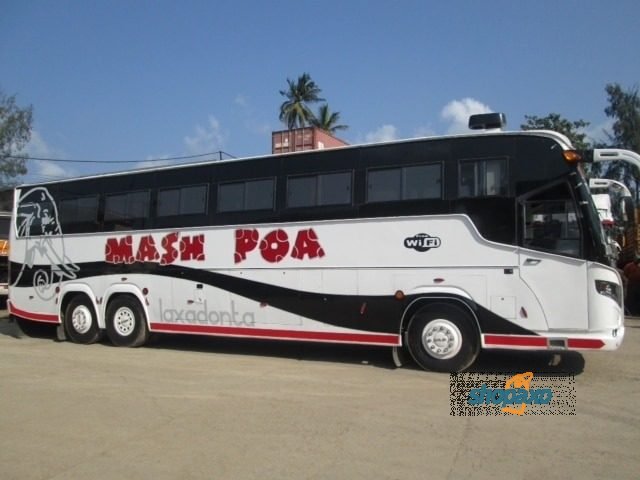
Image suggestion: Photo of a Mash Poa coach parked with staff beside it.

2. Mash Poa Online Booking Routes and Destinations: 2025 Update

Mash Poa covers all major cities and towns along vital corridors, such as:
    • Nairobi ↔ Mombasa: The flagship and busiest route. Several services per day.
    • Nairobi ↔ Kisumu & Kakamega: Western Kenya connections with scenic stops.
    • Mombasa ↔ Nairobi, Eldoret, Busia, Kitale: Extensive coastal network.
    • International: Nairobi/Mombasa ↔ Dar es Salaam and Kigali for regional travelers.
For a full list, refer to the current schedule on the Mash Poa website or app. Always check for seasonal route adjustments during festive periods.

3. Fare Classes Explained: VIP, Business, Normal

Mash Poa offers three distinct fare classes to serve every budget and travel preference:
  • VIP Class: Spacious leather seats, extra legroom, USB charging, central entertainment, free snacks and drink.
  • Business Class: Comfortable seating, partial entertainment, snacks for longer routes.
  • Normal/Standard Class: Budget-friendly, clean, organized seating.
2025 Fare Class Improvements: Mash Poa continues to refresh buses—expect new upholstery, upgraded air conditioning, and improved Wi-Fi in VIP and Business classes. Image suggestion: Table comparing features of each fare class, plus close-up photos of seat arrangements.

4. Mash Poa Online Booking Fares & Discounts for 2025

Fares are dynamic—set by demand, season, and route length. As of 2025, typical prices are:
Route Normal Class Business Class VIP Class
Nairobi ↔ Mombasa Ksh. 1,200 Ksh. 1,800 Ksh. 2,500
Nairobi ↔ Kisumu Ksh. 1,100 Ksh. 1,600 Ksh. 2,200
Nairobi ↔ Kakamega Ksh. 1,100 Ksh. 1,600 Ksh. 2,200
Nairobi ↔ Eldoret Ksh. 1,000 Ksh. 1,500 Ksh. 2,000
Discounts:
  • Advance Booking: Save up to 10% by booking two days ahead.
  • Student & Senior Pass: Up to 15% off on select routes (ID required).
  • Group Bookings: Contact support for custom rates.
  • Holiday Specials: Watch for price drops during Christmas, Easter, and school breaks.

5. Step-by-Step: Mash Poa Online Booking

Booking via Website

  • Enter Route Details: Choose origin, destination, travel date.
  • Select Class: VIP, Business, Normal.
  • Pick a Departure Time: Several options daily.
  • Choose Your Seat: Interactive seat map.
  • Enter Passenger Details: Name, phone, ID.
  • Review Booking Summary: Double-check date/class/seat.
  • Select Payment Option: Mpesa, Card, Airtel Money.
  • Complete Payment: Follow on-screen instructions.
  • Get Confirmation: SMS and email ticket sent instantly.

Booking via Mobile App (if available)

  • Download the Mash Poa official app from the Play Store or App Store.
  • Repeat steps above in an app-optimized interface.
  • Save your details for faster future bookings.

Booking via Agents

  • Walk into any Mash Poa booking office countrywide for assistance.
Here below is a detailed way to book step by step:
  • Visit our Website: Go to MashPoaBus.com and navigate to the booking section.
  • Select Your Route: Choose your desired origin and destination from the available options. Our comprehensive route selection ensures that you can find the most convenient option for your journey.
  • Choose Travel Dates: Select the departure and return dates that suit your travel plans. Mash Poa Bus offers flexible scheduling to accommodate your preferences.
  • Enter Passenger Details: Provide the required passenger information, including names, contact details, and any special requests. Rest assured that your privacy and personal information are protected.
  • Select Seats: Choose your preferred seats from the available seating chart. Our modern buses are equipped with comfortable seating arrangements, ensuring a pleasant journey.
  • Confirm and Pay: Review your booking details and proceed to the payment page. We offer secure and reliable payment options to ensure your transactions are protected.
Once your payment is confirmed, you will receive an e-ticket via email, containing all the necessary information for your journey. Simply present your e-ticket to our friendly staff before boarding, and you’re all set to embark on a remarkable adventure with Mash Poa Bus. To get your ticket, just follow the following steps this step by step guide. Go to the Mash Poa Online booking page by following this page, http://www.mashpoa.com( If the link does not work, copy it and paste it in your browser) . This takes you to a page that looks this way.
mash poa online booking
Now fill in the required information. As you can see, this is your destination, the town you coming from, date of travel and number of passengers traveling. If you are happy with the information, hit the search bus button. This takes you to a page that looks this way.
mash
As you can see, this lists the buses available. For my case I was searching for a bus from Kisumu to Nairobi. I got one bus available.  From the screenshot, you can see the departure time of the bus, the number of seats available and the price of the seats. Mash Poa has three classes, which is VIP, business and normal. That is why you have three prices listed. Now click on View Seats. That takes us here.
mash poa online booking
The yellow seats are VIP seats, the green ones are business while the blue ones are normal. You will notice that grey color around a seat shows that it is booked while white shows that it is not booked. Now decide which class you want to travel in, and then choose a seat. Once selected, you will see on your left the following.
  • The pickup point, where you will board the bus.
  • The Drop Off point.
  • The selected seats.
  • The cost of the seats.
  • Then the total fare.
If you are happy with what you have selected, then hit the continue button. If not. You can always go back by and start all over again. You get to this page after hitting the continue button.
mash poa booking
Now a pop-up page comes asking you to either Sign up with email, which is if you do not have an account. If you already have an account, you can Sign In. You can also choose to continue as a guest.

Please choose appropriately.

For my case, I choose proceed as a guest. When that is done, a pop up page pops from your right hand. You are required to fill in your primary information. See the image below.
mash poa
Now fill in your information accordingly. Once done, hit the proceed to pay button below the page. This takes you to this page.
mash poa online booking
Here to have to pay attention to one detail, your phone. Yes your phone will be prompted to pay via Mpesa. When prompted, please pay. Once the payment is made, you will receive a confirmation message that your payment is successful. Later you will receive a message on phone to confirm your booking. An e-mail will simultaneously be sent to your email address with your e-ticket. You can print it and present it at pick up point. That is how Mash Poa online booking is done.

6. Mash Poa Online booking offices contacts

Here is a list of Mash Poa booking offices contacts countrywide. That is if you want to physically book your ticket the old way, the Mash Poa Online Booking way Mombasa offices: 0717088588 0736500863 0753999299. Kitui 0722378056 0732222786. Eldoret 0721824806 0738040595 Nairobi 0718121251 0733929626 0753999260 Kisumu 0724893667 Nakuru 0723667676 Malindi 0733845464 0753999595 Malaba 0721957023 0737052432 0753999599 Kampala 0711206060 0790915726 Kigali +250788414832.

Paying for Your Seat: Mpesa, Card & More

Mash Poa makes payment seamless. You can pay by:
  • Mpesa Paybill: Enter the Mash Poa paybill number displayed on their site, ticket office, or confirmation page, then ticket reference.
  • Visa/Mastercard: Secure online transactions for cardholders.
  • Airtel Money/T-Kash: Options for users of other e-wallets.
Confirmation: Receipts are instant. If your Mpesa or card payment fails, double-check your internet connection and ensure your wallet/card has sufficient funds.

7. Seat Selection & Choosing the Best Travel Days

  • Early Booking: Book 48 hours in advance for best seat choice, especially in VIP.
  • Peak Days: Fridays, Sundays, holidays—book early as these fill up quickly.
  • Preferred Seats: Window, aisle, front-row, and sleeper options.
  • Group Travel: Book together to guarantee adjacent seats.
Image suggestion: Screenshot of interactive seat map, with “Best Seats” highlighted.

8. Mash Poa Bus Facilities & Passenger Experience

Mash Poa buses are known for high standards:
  • Air conditioning (VIP and Business)
  • Reclining seats, individual reading lights
  • Clean onboard restrooms
  • Onboard Wi-Fi (VIP, some Business)
  • Free snacks and drinks (extended routes)
  • Entertaining videos/music
  • Safety features: Speed limiters, onboard cameras, licensed drivers
Travel tip: Carry ID and booking confirmation, arrive early (30+ minutes before departure). Image suggestion: Inside photo of bus showing seating, AC, and entertainment features.

9. Troubleshooting: Common Booking Issues

Didn’t get your confirmation ticket?
  • Check your spam or promotions email folder
  • SMS may be slightly delayed—wait 5 minutes
  • Contact Mash Poa support or nearest office for resolution
Mpesa Payment failed?
  • Confirm correct paybill and reference
  • Verify account balance
  • Retry transaction
Seat unavailable?
  • Try different times/routes or switch classes
App problems?
  • Update or reinstall app
  • Clear browser cache if booking online
Image suggestion: Flowchart for “What to do if Booking Fails”

10. Mash Poa vs. Other Bus Companies: Comparative Guide

Here’s how Mash Poa stacks up against Kenya’s other top bus operators:
Company Key Routes Classes Offered Unique Perks Booking System
Mash Poa Major cities, regional VIP, Business, Normal Snacks, Wi-Fi, seat selection Online/App/Office
Tahmeed Coach Nairobi, Mombasa, Tanzania Normal, Premium Mobile ticketing, loyalty points Online/Office
Coast Bus Nairobi, Coast towns Standard, Business Reliable schedule Office Only
Easy Coach Western Kenya Standard, Business Student offers Online/Office
Buscar Nairobi, Western Standard Comfort, quick boarding Online/App/Office

11. Reviews & Testimonials

Mash Poa consistently earns positive reviews for punctuality, cleanliness, and comfort.
“I booked the VIP class from Nairobi to Mombasa. Excellent seats, friendly staff, and punctual arrival!” – Mercy, Nairobi
“Mpesa payment was super simple. Used their website easily. Will travel again with Mash Poa.” – Peter, Kisumu
Customer ratings average between 4.2–4.6/5 stars across major review platforms.

12. Frequently Asked Questions (FAQ) About Mash Poa Online  Booking

Can I cancel or change my booking? Yes, changes or cancellations can be made before departure time. A small adjustment or cancellation fee may apply. Check terms on the Mash Poa website or contact support. Is cash payment accepted? In-office, yes. Online bookings are digital only. How early must I arrive before departure? At least 30 minutes; gates close 15 minutes before departure. Can I book for someone else? Yes—just enter their details during booking. Are children’s fares different? Children below three years travel free with a ticketed adult, while discounted fares are available for school-age kids.

13. Contacting Mash Poa: Support Channels

  • Official Website: mashpoabus.com
  • Customer Care: See section 6 Office contacts
  • Physical Offices: Listed on the website, with Nairobi, Mombasa, Kisumu main branches
  • Social Media: Facebook, Twitter/X, Instagram—all responsive for public queries

14. Safety, Onboard Comfort & Accessibility

Your security is paramount with Mash Poa:
  • All drivers are licensed with regular safety checks
  • Onboard CCTV cameras
  • Emergency contacts provided for every trip
  • Priority assistance for elderly/passengers with disabilities (call ahead for arrangements)
  • COVID-19 protocols—sanitization, masks when needed

15. Final Thoughts

Mash Poa bus services redefine intercity travel in Kenya—blending safety, comfort, convenience, and technology. Whether you’re making your first trip or are a seasoned traveler, mastering mash poa online booking and payment process ensures a smooth experience. What is your Mash Poa travelling experience? Let us know in the comment box below.

The Ultimate Guide to Mash Poa VIP Seats in Kenya (2025): Comfort, Costs, Booking & Real User Experience

0

Introduction

Mash Poa VIP Seats? Comfortable long-distance travel across Kenya demands more than just a seat—it’s about upgrading your journey to the next level. Mash Poa VIP seats are the gold standard for bus comfort between Nairobi, Mombasa, Kisumu, Eldoret, and regional destinations. This guide reveals everything you need to know before booking, from seat features and costs to insider experiences and booking tips, ensuring you get the best value out of your ticket.

What are Mash Poa VIP Seats?

Mash Poa is a top-tier bus line famed for modern fleets, punctual schedules, and customer-centric services. Their VIP seats are designed to provide maximum comfort, privacy, and convenience for Kenya’s discerning long-distance travelers.

Location and Layout

    • Only 4 VIP seats per standard Mash Poa coach
    • Located at the front section of the bus, offering panoramic views but also exposing passengers to light and wind
    • Bright yellow seat color distinguishes VIP from other classes
    • Extra space between seats for privacy and comfort
Suggested Image: Annotated bus seat map highlighting VIP locations.

Features and Comfort: What Sets Mash Poa VIP Seats Apart?

Space & Legroom

    • Significantly more legroom than normal and business classes
    • Wider seats for relaxed posture on long trips

Materials & Build

    • Premium fabric and cushion for softness and durability
    • Ergonomically designed to reduce travel fatigue

Onboard Amenities

    • Handy phone charging port at each seat
    • Dedicated overhead light and air vent
    • Reclining feature for comfortable sleep
    • Central location near the entry for easy boarding/disembarking

Privacy & Noise

    • Front-row seats grant less noise but more exposure to headlights at night
    • Close proximity to driver may deter some travelers preferring middle bus seats

Cost & Value: How Much Are Mash Poa VIP Seats in 2025?

Travelers pay a small premium for VIP comfort:
  • Nairobi to Mombasa:
      • Normal seat: Ksh. 1,200 ($12)
      • VIP seat: Ksh. 1,600 ($16)
  • Cost difference is modest—just Ksh. 400 more for extra comfort
  • Long routes (Mombasa-Kisumu, Nairobi-Kigali) may see higher VIP rates, but always under Ksh. 2,500

Mash Poa VIP Seats:Is It Worth the Extra?

For frequent travelers or those spending 10+ hours on the road, the relaxation and ability to stretch out justify the added cost.
Mash Poa VIP Seats

Booking Mash Poa VIP Seats: Step By Step (2025 Update)

1. Early Reservation is Crucial

With just 4 VIP seats per bus, book at least 2-3 days before travel—especially for weekends or holidays.

2. Online, App & Office Options

  • Online: Visit www.mashpoabus.com, select your route and date. VIP seats show as yellow on the seat map.
  • App: Download Mash Poa app (Android/iOS). Sign in, select bus, pick a yellow VIP seat.
  • Office: Go to Mash Poa booking offices, request front-row VIP when paying.

3. Payment

  • Pay via Mpesa, credit/debit card, or cash at physical office.
  • Receive instant SMS/email confirmation.

4. Arrival & Boarding

Bring ID and booking confirmation. Arrive at least 30 minutes early to board and choose luggage storage.

Real Traveler Experience: Is Mash Poa VIP Seat Comfort Guaranteed?

Travelers consistently report: Pros:
  • Superior legroom makes 8-12 hour trips bearable
  • Comfortable sitting position and soft cushioning
  • Phone charging convenience for business/personal use
  • Quiet zone with minimal traffic movement
Cons:
  • Night travel: Headlights from oncoming vehicles can disrupt sleep
  • Wind and cold from the front more noticeable; bring warm clothing
  • Only slight upgrade from business class; main appeal is extra space
Testimonial: “After 11 hours from Nairobi to Mombasa, Mash Poa’s VIP seat made travel relaxing and easy. Still, I wish the seat was mid-bus to avoid headlights!” – James, frequent traveler

Mash Poa VIP vs Business/Normal Seats: Should You Upgrade?

Feature Normal Business VIP
Cost (Mombasa route) Ksh. 1200 Ksh. 1400 Ksh. 1600
Seat space Standard Moderate Wide
Legroom Standard Good Great
Charging port Yes Yes Yes
View Yes Yes Panorama
Comfort Good Very Good Best
Privacy Low Medium High
Quick boarding No Yes Yes
mash poa online booking-mash poa vip seats

Practical Tips for Mash Poa VIP Seat Travelers

  • Dress warm for night/early morning travel—front seats are draftier.
  • Carry an eye mask for light from headlights
  • Plug in devices and enjoy uninterrupted charging
  • Book return seats early for roundtrips; demand spikes during holidays
  • Ask office staff for current offers or discounts

Mash Poa Bus Safety & Hygiene Standards

  • Coaches cleaned and sanitized daily
  • Trained drivers with regular checks
  • Emergency exits clearly marked
  • Stable speed limiters for safety
  • COVID-19 protocols when needed

Frequently Asked Questions (FAQ)

Can I book more than one VIP seat? Yes, if available—book for friends/family early. Is refund available for canceled trips? Refunds possible up to several hours before departure (fees may apply). Are children allowed in VIP seats? Children can use VIP but pay full fare; infants travel free if lap-held. Is food served to VIP passengers? No, but snacks can be bought at stops; long routes may offer water. Can I switch to VIP on day of travel? Rarely, as seats sell out—check office for real-time availability.

Comparing Mash Poa VIP with Competing Bus Companies

If seeking alternatives or considering different companies, Mash Poa VIP seats still offer the best long-distance value. Other brands to consider:
  • Easy Coach: Reliable but fewer comfort upgrades
  • Modern Coast: Varied seating, sometimes less legroom
  • Tahmeed: Good business class, limited VIP seats
  • Dreamline, Crown Bus: Variable features, check updates
Mash Poa frequently leads on seat comfort and booking convenience for front-row VIP luxury.

How to Maximize Your VIP Experience

  • Plan your entertainment: Plug in headphones, preload movies, and e-books
  • Pack snacks, as onboard service is limited
  • Choose daytime trips for beautiful views—avoid night travel if sensitive to light
  • Confirm bus schedule in advance—peak season buses fill up quickly

Final Thoughts

Mash Poa VIP seats are more than just a bus upgrade—they’re an investment in travel comfort across Kenya. For a small premium, you enjoy more space, amenities, and quiet, making long trips less draining and more memorable. Early booking is crucial due to the limited number of VIP seats per bus. Whether for business, leisure, or family travel, Mash Poa’s VIP option is the premium choice for cross-Kenya journeys in 2025.

Tesla Shareholders Approve Mega Trillion-Dollar Pay Package for Elon Musk

0

Tesla shareholders have made headlines by approving a record-breaking compensation plan for CEO Elon Musk.

The plan, valued at nearly $1 trillion, sets a new benchmark in corporate pay, sparking debate and enthusiasm throughout the financial world.

What Is the “Trillion Dollar” Tesla Pay Package?

The package awards Musk a series of stock tranches, letting him acquire millions of Tesla shares at a price significantly lower than market value, but only if the company hits aggressive growth and performance milestones over the next ten years.

The first tranche unlocks when Tesla’s market valuation reaches $2 trillion, with additional tranches released as milestones climb in $500 billion steps up to $8.5 trillion.

Musk’s compensation, unlike a typical cash salary, is structured entirely in stock options, cementing his financial interests directly with Tesla’s performance.

If all targets are achieved, Musk’s stake could further increase from about 13% to 25%—ensuring he has even more voting power to shape Tesla’s future.

Why Did Tesla Shareholders Support the Historic Plan?

Tesla’s board and many shareholders argue the package is vital for retaining Musk as CEO, especially as Tesla pivots from primarily electric vehicles to focus on next-generation technologies, such as autonomous driving and robotics.

The board cited Musk’s “extraordinary growth and value creation” since he last received meaningful compensation nearly eight years ago.

Key Highlights from the Shareholder Meeting

  • Over 75% of cast votes supported the package, defying recommendations from some proxy advisors to vote against it
  • The plan is conditional, with Musk set to receive shares if strict benchmarks are met
  • It will be paid out over a decade, based on Tesla’s performance
  • The compensation is one of the largest ever awarded in corporate history

What Does This Mean for Tesla Investors and the Market?

The approval reinforces the market’s trust in Musk’s leadership and vision. It aligns his personal incentives directly with shareholder interests—if Tesla grows, all stakeholders benefit.

The news has also sparked broad interest in Tesla’s stock, which recently traded around $445.91, with a market cap of $1.43 trillion.


Conclusion


This historic vote highlights shareholder confidence in Musk and a bold bet on Tesla’s future innovations.

For finance news outlets, business blogs, and investor platforms, targeting “Tesla trillion pay package” can drive high-value traffic and provide timely coverage on a story that’s reshaping global executive compensation trends.

Why Nairobi is Abbreviated as NBO and Not NRB: The Real Reason Explained

If you’ve ever wondered “why is Nairobi abbreviated as NBO and not NRB?” you’re not alone.

Whether looking at airline tickets, seeing “I Love NBO” on Nairobi’s cityscape, or reading travel blogs, the question often pops up: why is the official airport code for Kenya’s capital “NBO”—and not the seemingly logical “NRB”?

The Role of International Airport Codes (IATA Codes)

The answer lies in the world of aviation, specifically in the system used by airlines globally to identify cities and airports: the International Air Transport Association (IATA) codes.

These are three-letter codes that uniquely identify airports and metropolitan areas, ensuring clarity, safety, and standardized communication for airlines, travelers, and logistics worldwide.

A Look Back at Nairobi’s Airport Naming History

Originally, Nairobi’s primary airport was known as Embakasi Airport, with construction completed in 1958.

The facility was renamed to Nairobi International Airport in 1964, and eventually to Jomo Kenyatta International Airport (JKIA) in honor of the country’s founding president in 1972.

As the airport grew to become East Africa’s leading hub, its international abbreviation became crucial for global recognition.

Why Not NRB for Nairobi?

While “NRB” seems the obvious shorthand, IATA had to assign a unique code for every airport. However, “NRB” was already taken—years before Nairobi’s international airport was conceived.

Naval Station Mayport (NS Mayport), a military base in Florida, US, received the NRB designation in 1942, three years ahead of Embakasi Airport’s initial plans.

When JKIA needed its IATA code, “NRB” couldn’t be used. Instead, Nairobi’s airport was given “NBO,” which became its official global identity.

Local Habits vs. Official Designations

Residents sometimes use “NRB” informally, but for all official travel, airline, freight, and international standardization, “NBO” is the only recognized code for Nairobi.

This highlights the importance of such global systems in organizing international travel and logistics.

Fun Fact: Kenya Airways (KQ)

This isn’t the only case of Kenya having to adapt to pre-existing codes! Kenya Airways uses “KQ” as its flight code rather than “KA,” a designation that had already been assigned to Korea Airways, demonstrating global code assignments can be a game of timing and precedence.

Summary: The Key Takeaway

  • Nairobi uses NBO as its official abbreviation because NRB was already assigned by IATA to another airport.
  • The global aviation system (IATA codes) ensures airports have unique, standardized codes for safety and clarity.
  • Local abbreviations may differ, but travel and commerce require official designations.
  • JKIA’s NBO code is now a symbol of Nairobi’s vibrant international connections.

For your next trip or airline search, remember: Nairobi = NBO, not NRB.

Understanding the reasoning behind these codes gives you insight into the fascinating world of international travel and global organization.

So next time you are in Nairobi, remember it is NBO and not NBI.

Unaitas SACCO and PesaLink Partnership – Setting a Benchmark for Digital Inclusion in Kenya

0

Unaitas SACCO, one of Kenya’s most progressive savings and credit cooperatives, has set a remarkable benchmark for digital financial inclusion through its innovative partnership with PesaLink.

As demand for convenient, secure, and fast financial transactions grows, the collaboration signals a new era for SACCO members and the wider Kenyan market, bringing cutting-edge technology and enhanced services to the heart of local communities.

Unaitas SACCO: Empowering Kenyans Since 1993

Founded by tea farmers in Murang’a, Unaitas SACCO has grown over 30 years into a powerhouse cooperative with over 350,000 members spanning across ten counties with 25 branches nationwide.

The SACCO’s mission is rooted in pooling member resources for mutual growth, providing savings and affordable credit to empower individuals, SMEs, farmers, and social groups.

Its strong asset base and transparent customer focus have helped thousands achieve their investment goals with flexible loans and reliable financial planning.

Driving Digital Innovation with PesaLink

Unaitas SACCO was among the first SACCOs to integrate with PesaLink, Kenya’s instant interbank money transfer system.

This strategic move gives members the ability to make transfers 24/7 via the Unaitas App and Mo-Cash USSD—even on weekends and holidays.

Through PesaLink, consumers enjoy faster, safer, and more affordable digital transactions—a major step forward for everyday banking convenience.

Fintech Solutions for Mobile Banking Growth

Unaitas SACCO is leading the digital finance revolution by providing robust mobile banking options.

Clients can access financial services anytime using the Unaitas Mobile App, ATM, or USSD, making it easier for Kenyans locally and in the diaspora to save, borrow, and manage money without visiting a branch.

These platforms are designed to address customer needs efficiently and securely, breaking down traditional barriers to financial services.

Comprehensive Financial Services for All Sectors

What sets Unaitas SACCO apart in Kenya’s competitive SACCO landscape is its diverse reach. The organization serves individuals, business owners, and social groups, lending to a variety of sectors including agriculture, real estate, SMEs, and women-led enterprises.

Unaitas also supports 22,000 chamas (local savings groups), promoting financial inclusion and economic growth across the country.

Commitment to Social Responsibility and Member Wellbeing

Beyond digital innovation, Unaitas SACCO actively engages in corporate social responsibility.

SACCOS regularly support community initiatives such as children’s homes, health outreach, and education sponsorships.

This commitment not only strengthens communities but also builds member trust and loyalty.

Affordable, Transparent, and Impactful

Unaitas SACCO stands out for its affordable loan rates, comprehensive digital solutions, and unwavering commitment to transparency.

The SACCO conducts thorough risk assessments, ensuring compliance and sustainable lending for members. Its focus on low-income households and SMEs is guided by a social mission to reduce poverty and foster economic success.

Why Join Unaitas SACCO?

  • 24/7 digital banking with instant PesaLink transfers
  • Affordable savings and credit options for individuals and businesses
  • Robust support for women entrepreneurs and local chamas
  • Transparent business practices and member-driven decision-making
  • Strong national presence with accessible branches and dedicated mobile banking
  • Proven track record of social responsibility and community impact

Final Thoughts

Unaitas SACCO is redefining digital financial access in Kenya, ensuring customer needs are met with modern technology and ethical leadership.

Its PesaLink partnership is a game-changer, establishing Unaitas as a leader in SACCO innovation and digital inclusion.

For Kenyans seeking a reliable, forward-thinking SACCO, Unaitas offers a gateway to financial empowerment, growth, and community transformation.

Astrol Petrol Station Owner: The Legacy of Thayu Kabugi

0

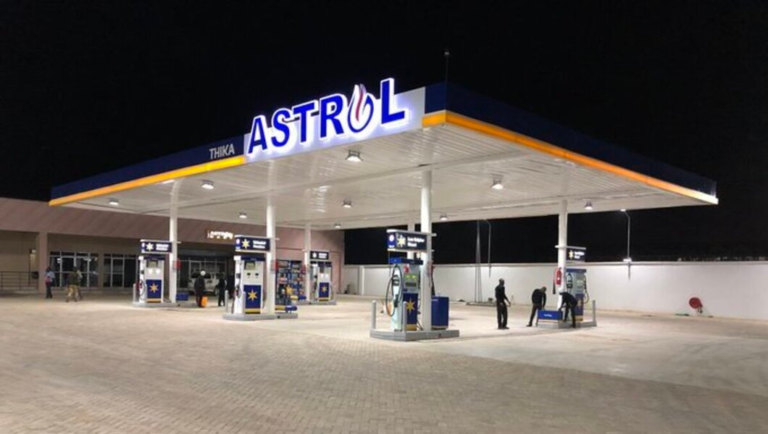
Astrol Petroleum, a leading name in Kenya’s petroleum industry, has become synonymous with trust, service, and indigenously owned business success.

At the heart of this story is the visionary astrol petrol station owner, Thayu Kamau Kabugi, whose journey from humble beginnings in Murang’a to industry magnate provides inspiration for both entrepreneurs and all Kenyans.

The Founding of Astrol Petroleum: Vision from Murang’a

Born in Muringu village, Murang’a County, Thayu Kabugi’s early life was defined by perseverance and discipline.

Unlike many of his contemporaries, Kabugi shunned patronage, instead choosing to build his business through hard work and sharp business acumen.

He was influenced, but not dependent, on his close friendship with Kenya’s founding president, Mzee Jomo Kenyatta.

Identifying the country’s growing energy needs, Kabugi established Astrol Petroleum Company in 2000. At the time, Kenya’s oil and gas sector was dominated by multinationals, with over 70 players and upwards of 1,800 service stations.

Entering this competitive landscape, the astrol petrol station owner set out to create a legacy rooted in excellence and community impact.​

Building a Petroleum Giant: Astrol’s Expansion and Impact

From its inception, Astrol Petroleum focused on providing high-quality fuel and petroleum products to broad clientele: motorists, power stations, agribusinesses, and industrial manufacturers.

The company expanded rapidly, establishing a robust presence with filling stations in:

  • Murang’a
  • Ruiru
  • Lenana Road
  • Thika Road
  • Runda
  • Northern Bypass
  • Mombasa Road
  • Athi River
  • Utawala
  • Rironi, among others

Through these outlets, Astrol Petroleum serves thousands of Kenyans daily. Today, Astrol boasts over 14 stations nationwide, marking it as one of the country’s most trusted indigenous fuel distributors.​

Astrol’s Core Values and Community Legacy

Unlike many profit-driven businesses, Thayu Kabugi was a strict disciplinarian who instilled lasting principles in the Astrol culture. These include:

  • Integrity
  • Trust
  • Respect
  • Servant Leadership

These values are at the heart of Astrol’s operations, reflected in the company’s daily interactions and commitment to customer satisfaction.​

Kabugi’s impact extended far beyond commerce. As the astrol petrol station owner, he contributed significantly to local philanthropy—supporting development projects in Murang’a and the larger Mount Kenya region.

In recognition of his service, President Uhuru Kenyatta awarded him the Elder of the Burning Spear (EBS) in 2017.

Job Creation and Economic Growth

Astrol Petroleum’s success goes hand-in-hand with substantial economic contributions.

The company has directly created jobs for over 300 Kenyans—across both filling stations and offices—and even more through indirect economic activities such as logistics, supply, and maintenance.​

Succession and Future of Astrol Petrol Station Ownership

Following the passing of the founding astrol petrol station owner Thayu Kabugi in 2019 at the age of 94, leadership transitioned seamlessly to his son, James Mwangi.

Groomed for leadership from a young age, James assisted his father while studying International Business Administration.

Upon Kabugi’s death, he took over as Managing Director, continuing the business philosophy and commitment to excellence that his father started:​

“My late dad had always been an entrepreneur in industries such as transport, construction, and oil. I began assisting him in the 90s, and after finishing university, chose to stay and help lead Astrol to greater heights.”

Today, James Mwangi maintains Astrol’s trajectory—listening to customers, responding personally to complaints, and reinforcing the core tenets of quality, service, and innovation.​

Astrol’s Market Position and Why It Stands Out

Despite fierce multinational competition in Kenya’s petroleum market, Astrol remains a true Kenyan contender—evidence that indigenous knowledge, strong values, and genuine customer focus can triumph.

Their stations are known for reliability, efficient service, and fair pricing, winning the trust of both individual car owners and large industrial clients.

Conclusion: The Enduring Legacy of the Astrol Petrol Station Owner

The story of Thayu Kabugi, the transformative astrol petrol station owner, reminds Kenyans of the value of discipline, vision, and local investment.

Astrol Petroleum today is not just a fuel brand; it is the product of one family’s dedication to uplifting an industry and a country.

If you are searching for a truly Kenyan-owned, values-driven petrol station, look to Astrol—where the legacy of an outstanding owner lives on in every liter delivered and every client served.

Safaricom Scholarships for Students 2025 Announced.

0

Safaricom, through the M-Pesa Foundation, has launched a massive education empowerment initiative for 2025, unveiling over 10,000 scholarships targeting students in senior schools and technical training institutions across Kenya.

This significant investment is part of the new “Citizens of the Future” program, which is set to inject KES 30 billion into the country’s education sector over the next five years.

Key Features of Safaricom Scholarships 2025

  • Over 10,000 scholarships: Targeting needy and deserving students in senior secondary and tertiary institutions.
  • Digital skills focus: The program aims to equip teachers and learners with digital and ICT skills, upgrading more than 600 schools with modern infrastructure.
  • Inclusivity: Schools of the Future will be developed, with a strong focus on inclusivity, sustainability, and access for learners with special needs.
  • Wide reach: The initiative spans across all 47 counties of Kenya.

Application Process

Kenyans can nominate deserving learning institutions in their communities for the scholarship program within one month of the campaign launch, through the official platform: [citizenofthefuture.org]. Eligible schools will be shortlisted and beneficiaries selected based on outlined criteria.

Impact

Safaricom’s investment not only covers tuition but also upgrades school infrastructure and enhances teacher skills, ensuring a holistic and sustainable improvement in Kenya’s educational landscape.

Conclusion

The Safaricom Scholarships for Students 2025 initiative demonstrates the brand’s ongoing commitment to social impact, digital literacy, and empowerment of Kenyan youth, further cementing its role as a leader in corporate responsibility and education support in Kenya.